Sustainable Luxury at Aahana | Responsible Resort in Jim Corbett
Aahana & Responsible Luxury
Aahana began with a decision to restore land rather than simply develop it. The Tripathi family spent years planting 4,500 indigenous trees on 13.5 acres of bare earth before a single room was designed. That founding act is the operating philosophy of everything that followed. Aahana’s sustainability practices are not a policy document. They are the infrastructure of the property: the water systems, the energy systems, the sourcing, the staffing, the design. We use the United Nations Sustainable Development Goals framework to measure and report our commitments: five SDGs that map directly to how this resort functions every day.
Our Commitments
SDG 15 · Life on Land
"13.5 acres of barren land, restored before a single room was built."
4,500 indigenous trees · 250 bird species · Direct boundary with Jim Corbett National Park
SDG 6 · Clean Water & Sanitation
"One of Asia's largest Root Zone Treatment Plants, recycling 1.5 crore litres annually."
100% wastewater recycled · Rainwater harvesting · Village tube well donated
SDG 8 · Decent Work & Economic Growth
"99% of our team comes from the communities surrounding Jim Corbett National Park."
95% furniture by local artisans · 70% kitchen supplies from local farmers
SDG 12 · Responsible Consumption
"582,354 plastic bottles avoided in 2024 by bottling our own drinking water."
Zero single-use plastics · 7,500 kg compost annually · Organic kitchen garden
SDG 7 · Clean Energy
"Solar-assisted heating, energy-efficient systems, and a Gobar Gas Plant powering staff meals."
Solar panels throughout · Natural lighting design · No chemical fertilisers
TOFT Tigers Eco Rating
"Outstanding — 2023 to 2026. Independently audited. Not self-declared."
UK-based independent environmental auditors · Travel + Leisure Best Sustainable Resort 2023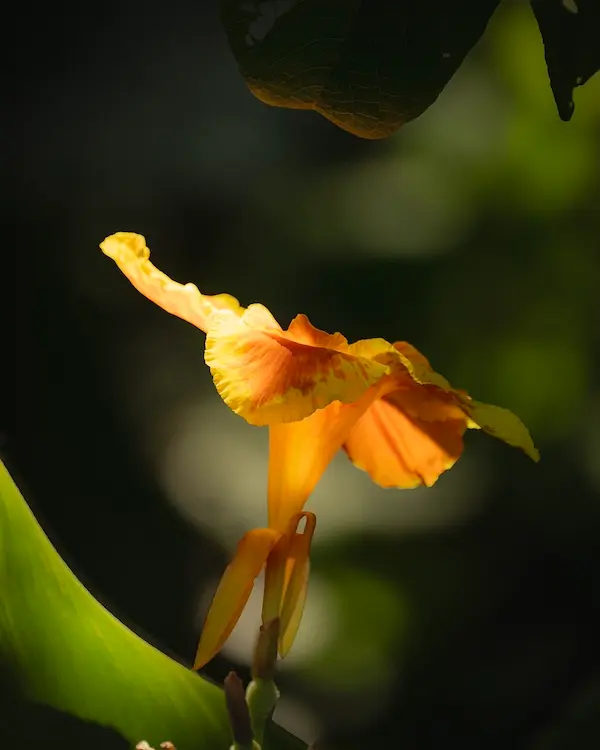
Every Drop Finds a Purpose
SDG 6 — Clean Water & Sanitation
Aahana operates one of Asia’s largest Root Zone Treatment Plants. A fully natural system powered by the Canna plant that recycles 100% of the property’s wastewater, approximately 1.5 crore litres annually. Rainwater harvesting systems across the estate replenish the groundwater table with 5–7 lakh litres each year. Permeable pathways allow every raindrop to reach the soil below rather than running off the surface. The resort’s pools use UV purification technology that reduces chlorine usage by up to 95%, supported by ClearPro filtration with advanced backwash technology. Aahana has also donated land to support a tube well for the local village, providing clean water access to the surrounding community. Monthly cleanliness drives with local school children build awareness of water and sanitation practices from the ground up.
The Future of Pool Design
SDG 6 — Clean Water & Sanitation
At Aahana, even the pool reflects our commitment to thoughtful luxury. Among the few UV-cleaned pools in the country, it uses advanced technology to maintain crystal-clear water with minimal chlorine—gentle on the skin, easy on the senses. Designed for wellness and comfort, it’s a space to unwind, swim, and simply feel good.

Harnessing energy for seamless comfort
SDG 7 — Affordable & Clean Energy
Solar panels and solar-assisted heating pump systems operate throughout the property. High-transmission power lines minimise energy loss in distribution. Energy-efficient lighting and HVAC systems reduce consumption resort-wide, and the design of each villa maximises natural light, reducing the need for artificial lighting during the day. The resort does not rely on chemical fertilisers or pesticides: composting in-house produces the nutrients the kitchen garden requires. Last year, 25,689 kg organic waste was converted into 8,438 kg of compost.

People of Aahana
SDG 8 — Decent Work & Economic Growth
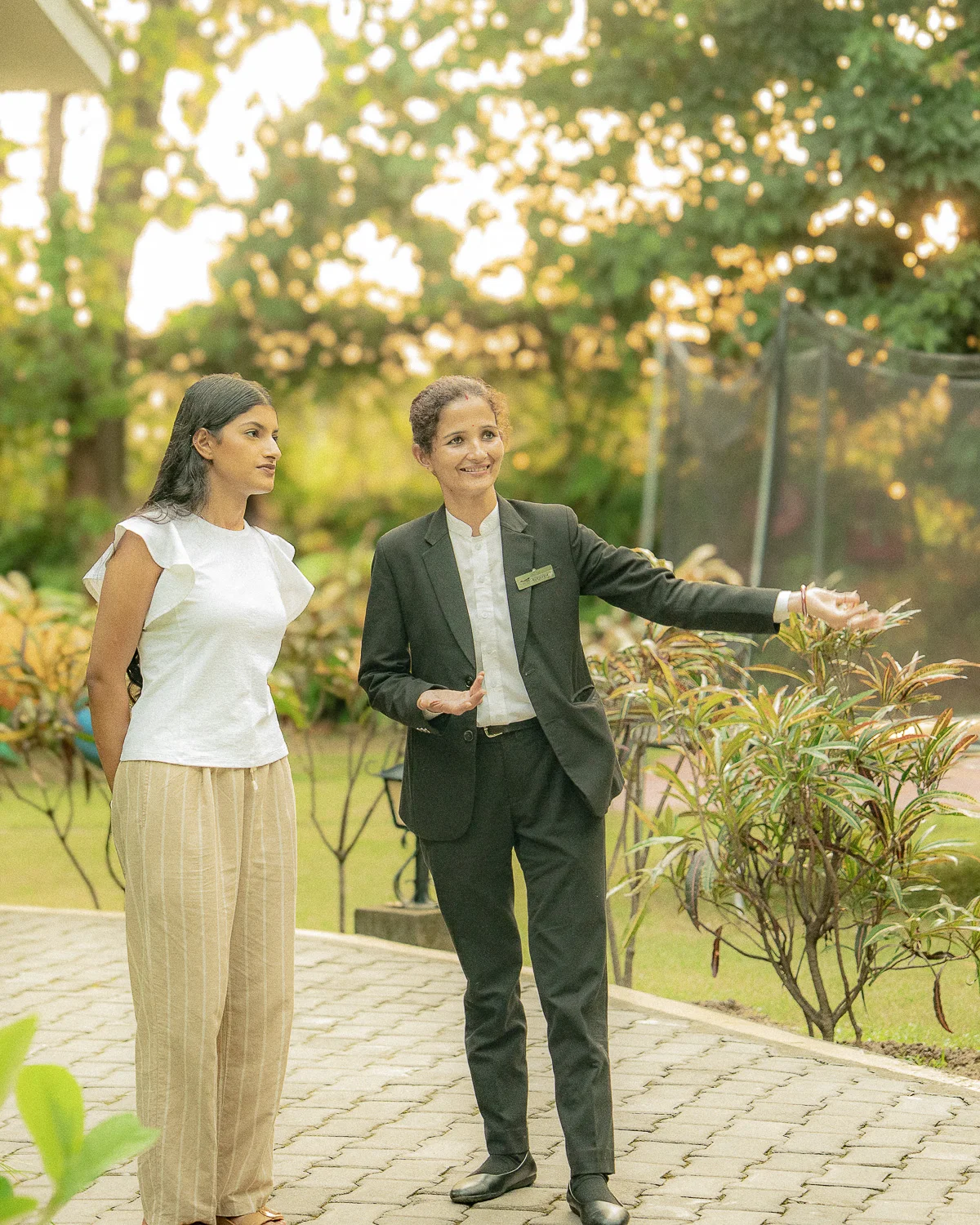
99% of Aahana’s team comes from the communities surrounding Jim Corbett National Park — people who grew up knowing this land. Skills training, career development programmes, and health camps for staff and their families are part of the annual operational calendar. The resort works with local government schools, providing stationery, equipment, and funding where needed. 95% of the resort’s furniture and decorative elements are crafted by local artisans. 70% of kitchen supplies come from local farmers and suppliers, including partnerships with local families and NGOs for organic produce.
Designed by Nature, Built for Comfort
SDG 12 — Responsible Consumption & Production
Aahana’s spaces are thoughtfully crafted, where understated luxury meets intelligent design. Every piece of furniture is custom-made by local artisans. Biophilic design principles guide every construction decision. Locally sourced stone, repurposed wood, and naturally lit interiors reduce material waste and connect the built environment to its surroundings.
The kitchen garden supplies produce directly to Aahana’s menus: pesticide-free, farm-to-table in the most literal sense. Waste management follows a closed-loop framework: Reduce, Reuse, Recycle, Compost. The composting programme produces over 50,000 kg annually. The Waste Fund contributed ₹2 lakh to the Employee Welfare Fund last year: sustainability with a direct human return.

Nature’s Defence
SDG 15 — Life on Land
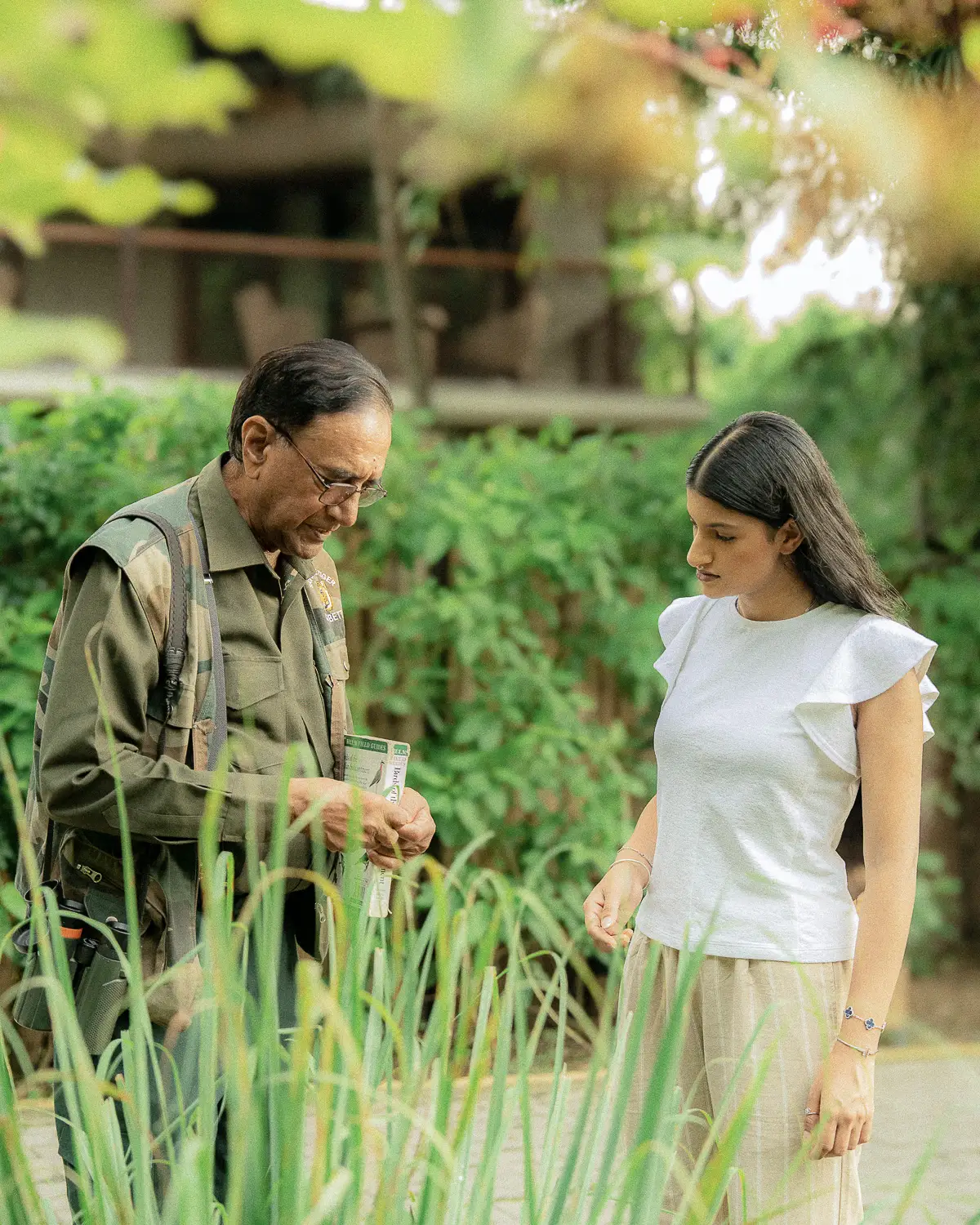
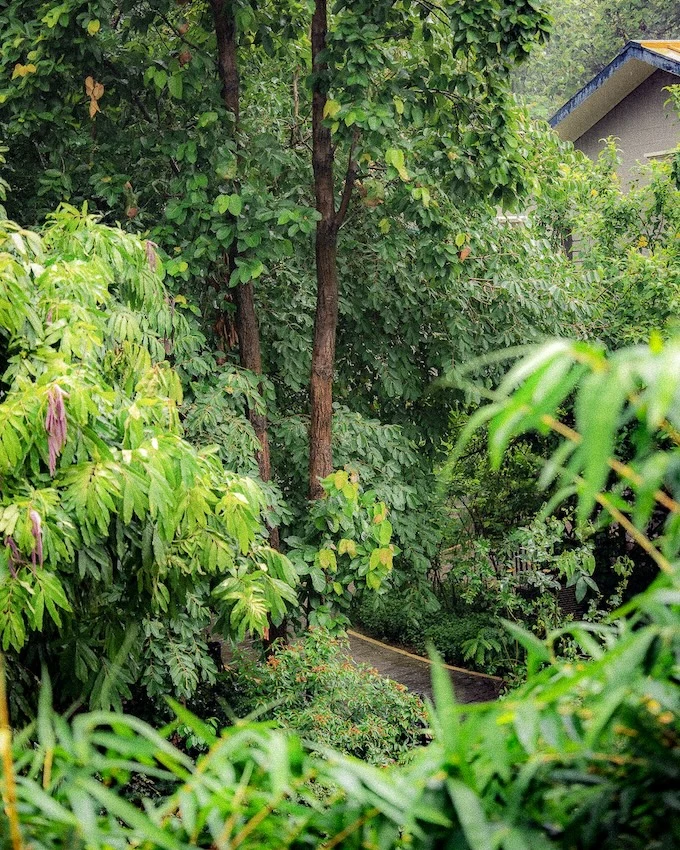
13.5 acres of barren land, restored over decades. 4,500 indigenous trees planted and maintained. 250 recorded bird species and 50+ butterfly species now call this property home. The restoration was not incidental: it was deliberate, unhurried, and guided by an understanding of what the land needed.
The approach to wildlife goes beyond planting: grass is not cut during insect breeding season. No fumigation is carried out. Trees are not lit at night, protecting nesting birds. Internet and cellular booster usage is minimised to avoid interfering with bird life. The property shares a direct boundary with Jim Corbett National Park, and the management of the estate reflects that proximity. Aahana holds the TOFTigers Eco Rating — Outstanding, 2023–2026 — independently audited by UK-based environmental assessors and one of the most rigorous eco-certifications available for South Asian wildlife tourism properties.
13.5 Acres, Brought to Life
SDG 15 — Life on Land
What was once barren is now alive with possibility. Over the years, we’ve planted more than 4,500 indigenous trees, gradually restoring the natural balance of the land. Today, over 250 species of birds, butterflies, and other native wildlife call this space home. It’s nature finding its way back—one rooted step at a time.
Organic Kitchen Garden
SDG 15 — Life on Land
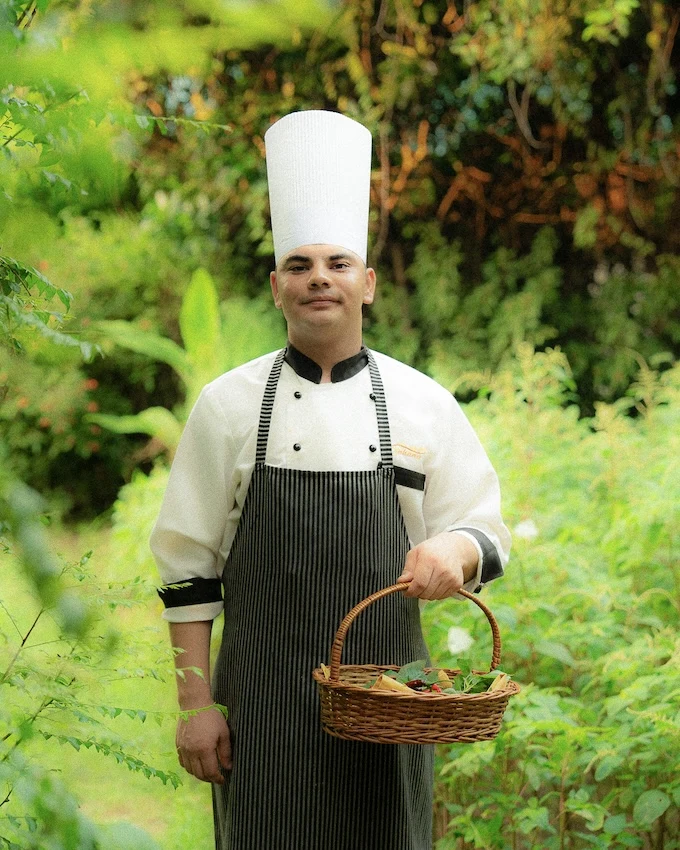
A seamless connection between nature and luxury. Our organic garden, a testament to sustainable elegance, flourishes with handpicked, pesticide-free produce, fragrant herbs, and aromatic spices. Here, every ingredient is nurtured with care, offering guests the opportunity to gather fresh bounty from the land and savour its purest flavours. From the vibrant rows of vegetables to our handcrafted herbal teas, each taste is a reflection of our commitment to sustainability and exceptional quality—where nature’s gifts become a refined sensory journey for the body and soul.
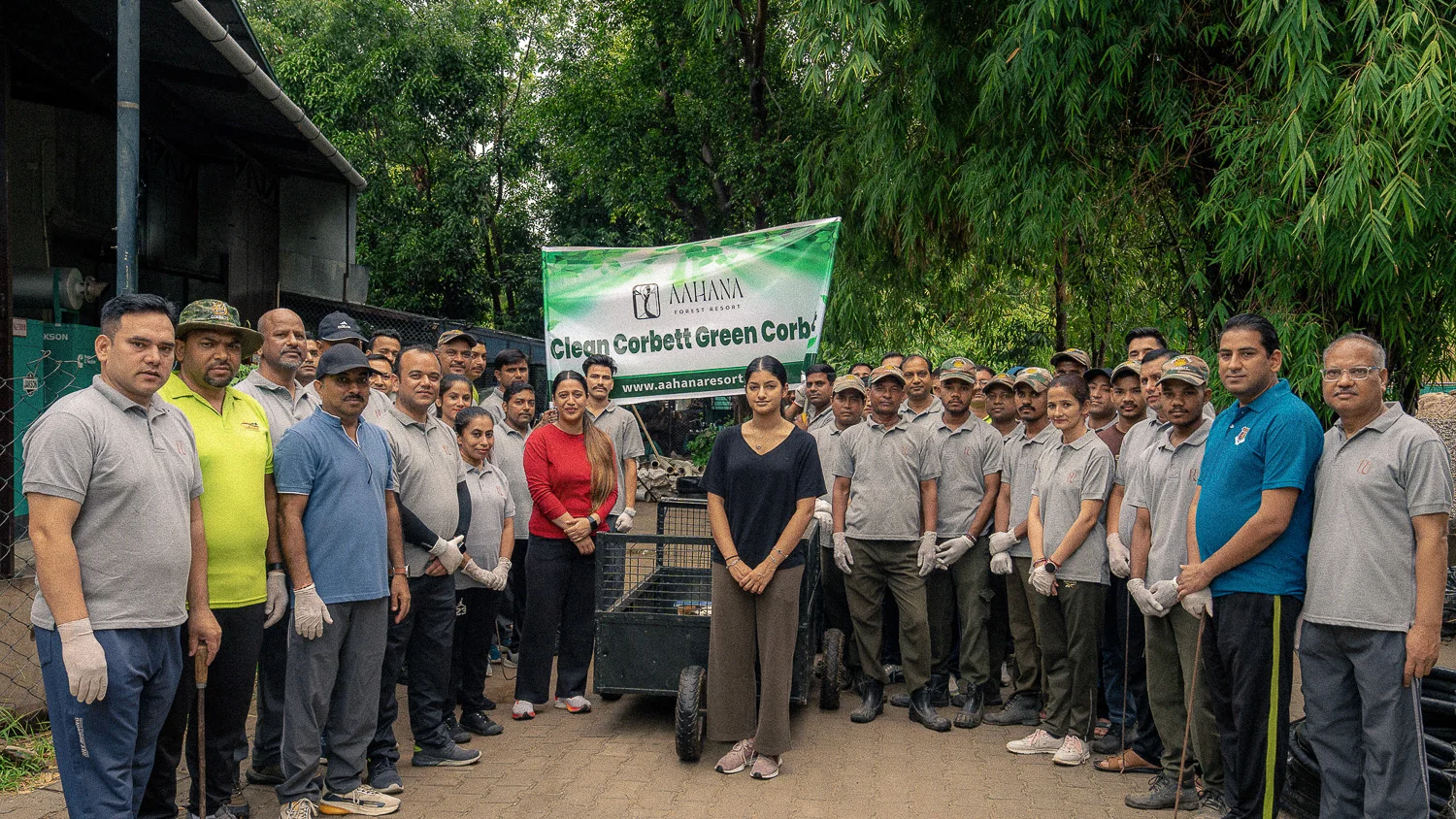
Clean Corbett, Green Corbett
SDG 15 — Life on Land
With the spirit of unity, we gather—staff and schoolchildren alike—under the banner of “Clean Corbett, Green Corbett.” Each month, we come together to clear the land of its waste, not only to preserve its beauty but to foster a deeper awareness of our responsibility. In this shared effort, we cultivate a lasting connection to the environment, one that extends beyond action to become a lasting commitment to the land we hold dear.