[location-weather id="6537"]

Wildlife Photography Support at Aahana Resort

A guide to Wildlife Photography

Corbett rewards patience more than speed. Most sightings are fleeting. Some are distant. A few are unforgettable. If you enjoy the process as much as the outcome, you’ll feel at home here.

WHAT TO BRING

Camera & Gear

  • A zoom lens is essential. Grab a 100-400,  200–600mm or 400 mm prime lens is ideal for wildlife drives.

  • A second body or a wide lens (24–70mm) for landscapes, mist, and forest textures.

  • Extra batteries. Cold mornings drain them fast.

  • A bean bag for jeep safaris. Tripods are rarely practical inside the park.

Settings cheat-sheet (gold for photographers)

  • Early mornings: higher ISO is normal. Grain beats blur. Especially in winters.

  • Shutter speed over perfection. Wildlife doesn’t wait.

  • Carry a microfiber cloth, safaris can get dusty!

So pack your camera, charge those batteries, and let the jungle tell its story—one frame at a time. Tag #AahanaWild for a feature!

Featured Photographs of Spring

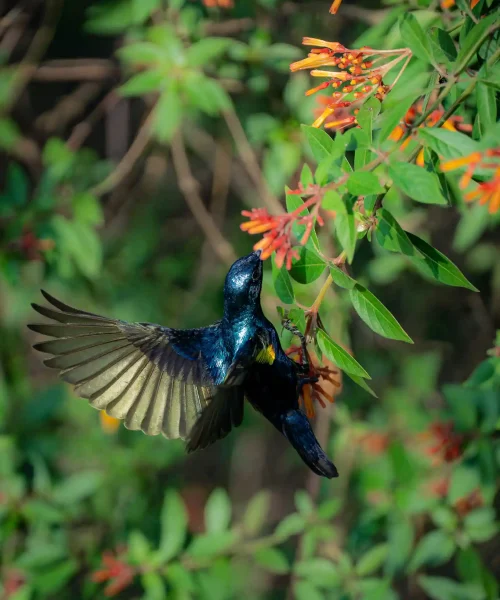
Purple sunbird feeding nectar from a flower

Purple Sunbird spotted at Aahana. 

Purple Sunbird spotted at Aahana.  This is a male sunbird, feeding on nectar late afternoon. They are particularly active during breeding seasons!
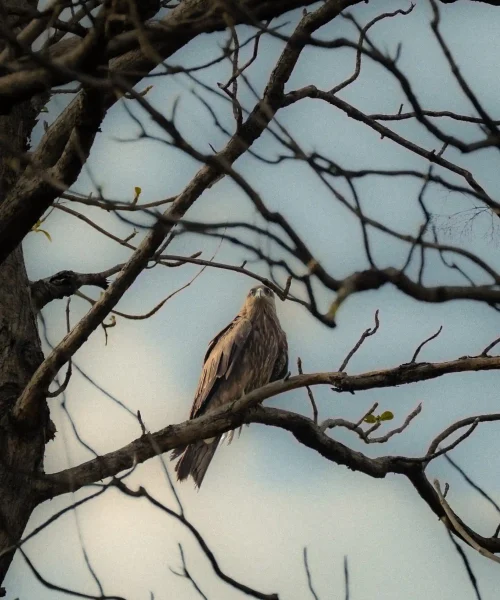
Black kite sitting on a Tree

Black Kite spotted at Aahana. 

This black kite has been a daily visitor at Aahana. Spotted on the edge of the resort and the Bijrani Zone of Jim Corbett. 
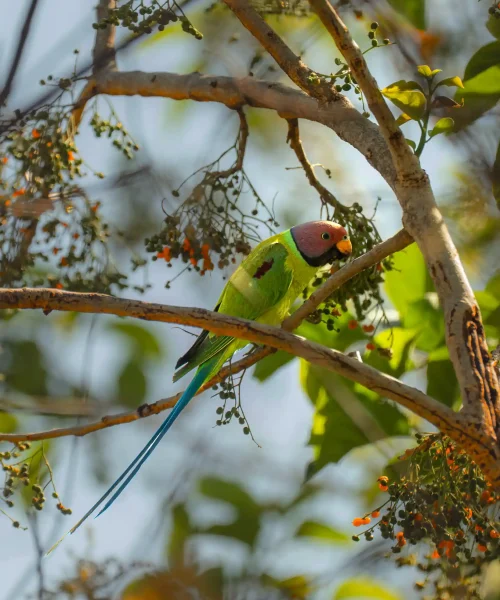
Parakeet on a tree in Jim Corbett National Park

Plum-headed Parakeet at Aahana. 

With the onset of spring, Parakeets have been very active at Aahana. Visiting us early mornings and late afternoons. 

For any questions regarding wildlife experiences, what gear to bring, how to plan your wildlife experiences, or about camera settings please reach out to us at avni@aahanaresort.com