The Quiet Shift of Jim Corbett in Winter
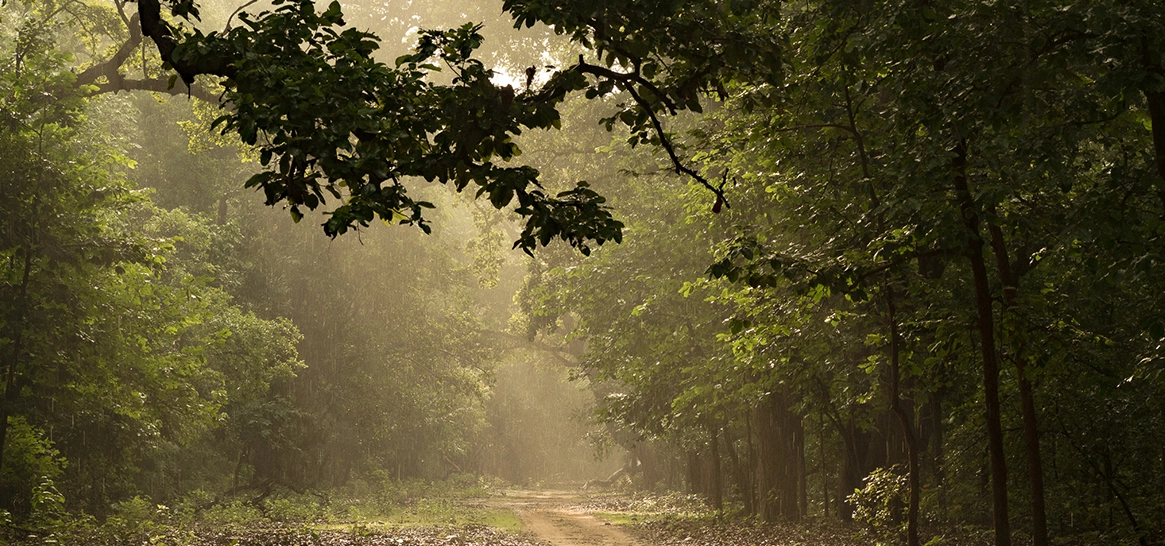
Winter alters Corbett in subtle but unmistakable ways. The air feels clearer. The forest moves at a slower, steadier pace. Details come into focus. Morning mist settles low, footsteps sound sharper on dry grass, and sunlight filters cleanly through bare branches.
There is a sense of balance in the forest during winter. Visibility improves, sounds carry further, and movement feels deliberate. Those familiar with Corbett often say this is when the landscape feels most authentic and most revealing.
Wildlife in Jim Corbett National Park During Winter
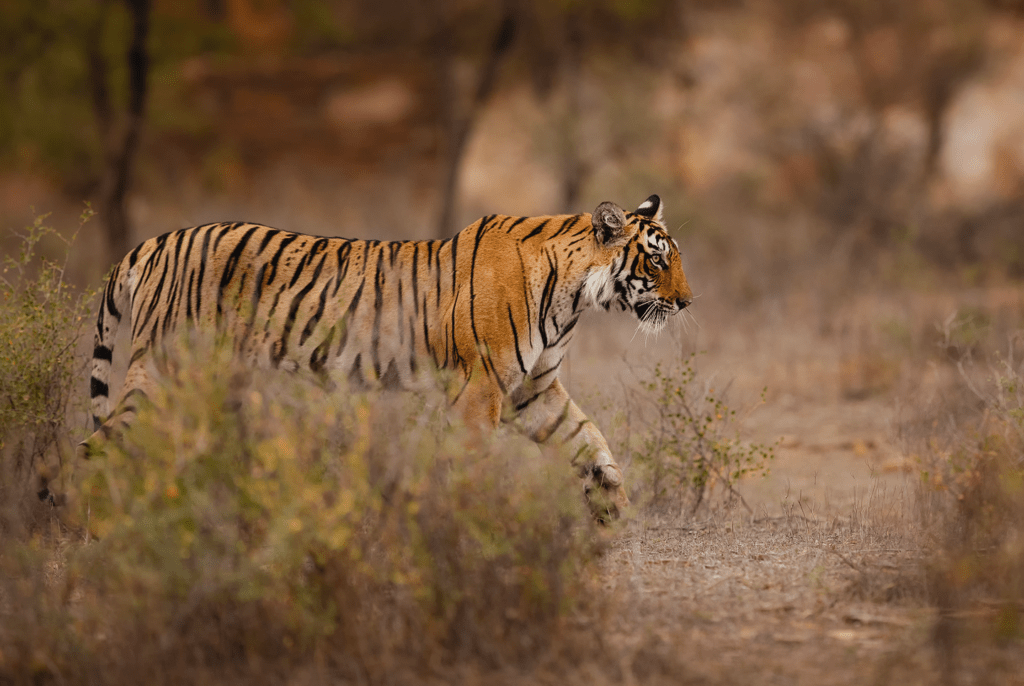
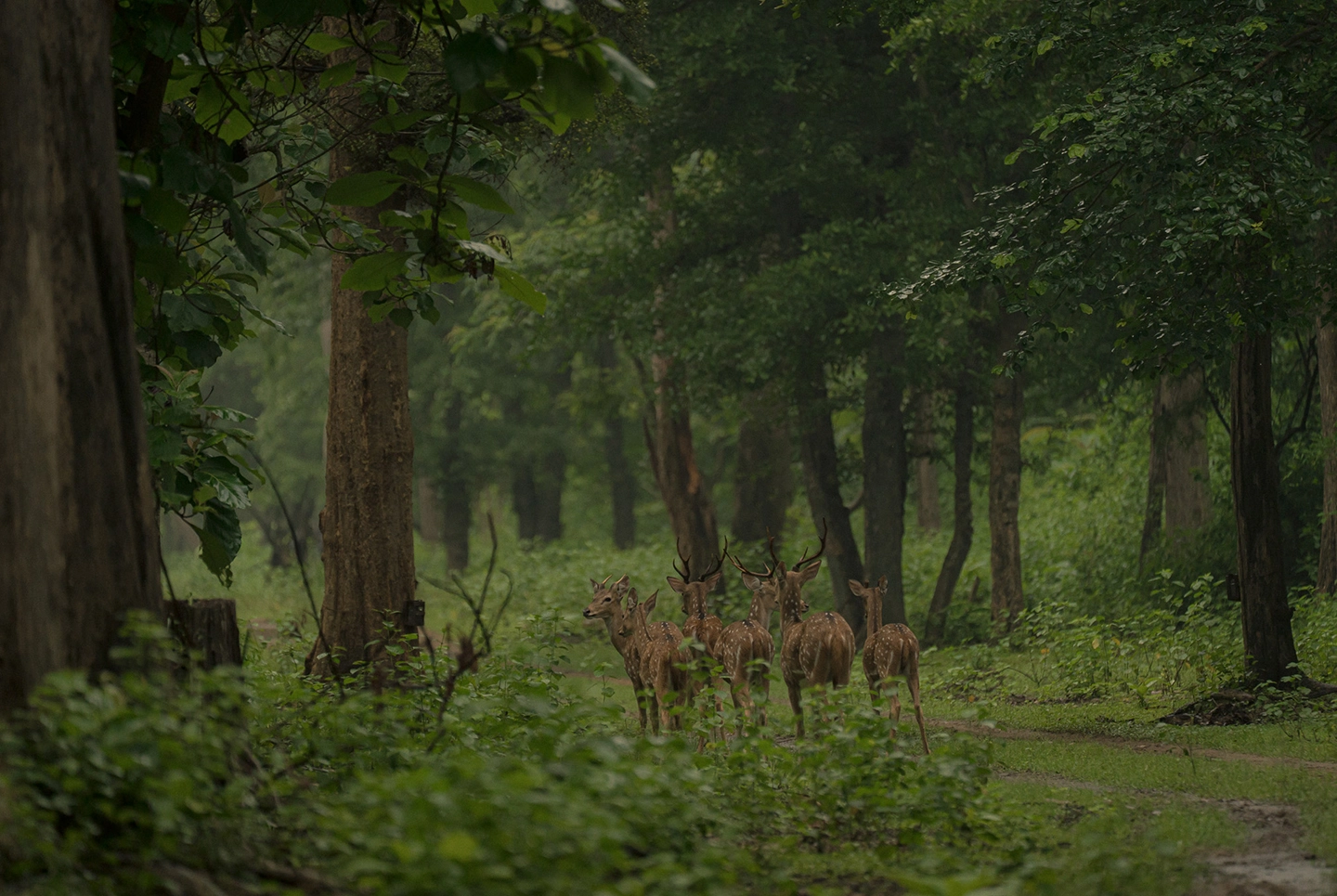
Winter offers a clearer view into the forest’s daily rhythm. Elephants are often seen earlier in the day, deer linger in clearings, and predators move along routes shaped by warmth, cover, and terrain. Sightings feel less incidental and more observational, allowing visitors to understand behaviour rather than rely on chance.
Birdwatching in Jim Corbett is particularly strong in winter. Resident species are active, migratory birds arrive in large numbers, and the absence of haze improves clarity. The result is a more immersive and informed wildlife experience.
Experiencing a Winter Safari in Corbett
Winter safaris are defined by clarity and contrast. Early mornings begin quietly, with low fog and muted tones. As the sun rises, the forest gradually opens up, revealing shifting light and colour. Mornings remain cool and composed, while late afternoons bring a soft warmth across the landscape.
Zones such as Jhira, Dhela, Bijrani and Phato each present a distinct winter character. Open grasslands, dense sal forest, and river edges, all offer varied perspectives of Corbett during this season.
A Winter Stay in Corbett Beyond the Safari
Winter enhances experiences beyond wildlife viewing. Nature walks feel more engaging due to improved visibility and comfortable temperatures. Birdwatching becomes more rewarding. Cycling trails are clearer and more enjoyable. On clear nights, the sky offers uninterrupted views, making quiet stargazing a natural part of the stay.
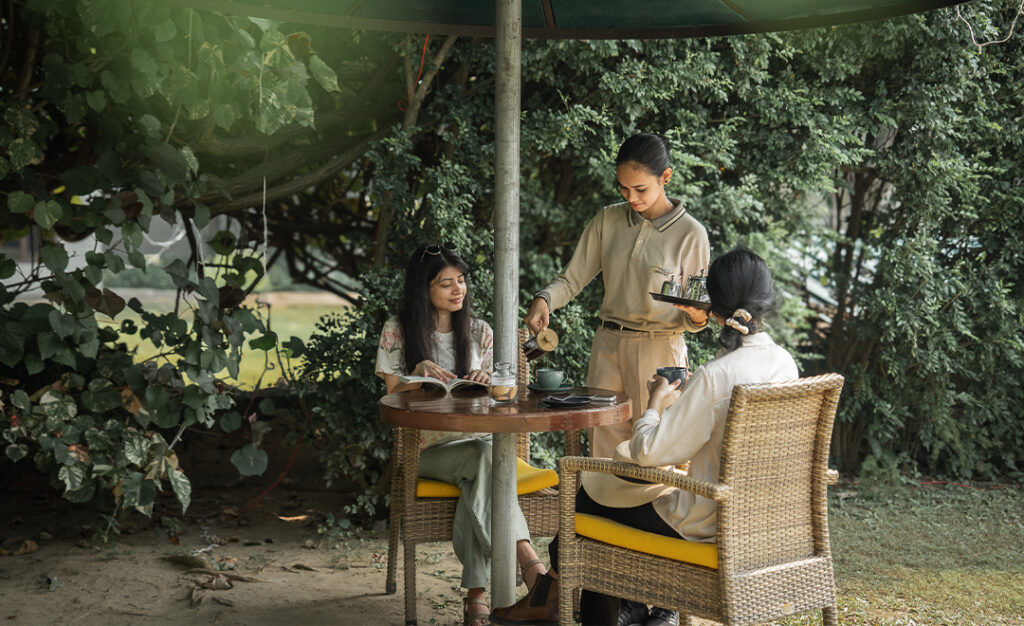
Evenings tend to slow down. Guests gather naturally, conversations extend, and the overall pace encourages rest. Winter supports wellness not through activity, but through stillness and routine.
Why Aahana Works So Well in Winter
Aahana’s design and setting adapt to winter, with villas that provide privacy while remaining closely connected to the forest. The temperature-controlled pool villas ensure year-round usability, a warm swim in the crisp winter air. Meals are rooted in fresh, organically grown produce, making winter dining both nourishing and satisfying. The spa focuses on treatments that support circulation, warmth, and physical recovery.
Families appreciate the space and comfort. Couples value the quiet. Wellness-focused travellers find consistency and calm. Aahana complements the forest rather than competing with it.
Winter Cuisine and Wellness at Aahana
Winter shapes both the kitchen and the wellness approach at Aahana. The menu features warm preparations, slow cooked dishes, seasonal vegetables, and regional Kumaoni flavours. Herbal teas and balanced meals support the body through colder days.
Spa therapies focus on relaxation, warmth, and sustained recovery rather than quick fixes. The emphasis remains on long term wellbeing.
Practical Tips for Visiting Jim Corbett in Winter
- Morning safaris offer misty morning experiences, afternoons provide softer light
- Safari permits should be booked well in advance
- Layered clothing is essential
- Binoculars enhance birdwatching experiences
- Wildlife guidelines must be followed strictly
- Smoother safari zones are advisable for senior guests and families with young children
Winter refines the Corbett experience. The forest slows down, the environment feels clearer, and Aahana provides a setting that allows guests to settle into that rhythm naturally. Days feel balanced. Nights are quiet. The experience leaves you rested and centred.
Aahana. Thoughtfully placed. Deeply restorative.
Frequently Asked Questions
Why is winter considered the best season to visit Jim Corbett?
Winter offers great visibility, structured wildlife movement, cooler temperatures, and a calmer forest environment compared to other seasons.
What makes Aahana a suitable winter stay in Corbett?
Forest facing villas, organic cuisine, a temperature controlled pool, and a spa designed for seasonal wellness make Aahana particularly comfortable in winter.
Are winter safaris suitable for all age groups?
Yes. With appropriate layering and timing, winter safaris are comfortable for families, senior travellers, and first time visitors.
Which safari zones are recommended in winter?
Bijrani, Jhira, Dhela, Phato, Garjia, Sitabni and Dhikala are all open. Each zone offers a distinct winter landscape and wildlife pattern.
What wildlife can be seen during winter?
Elephants, deer, tigers, reptiles basking in sunlight, and a wide range of resident and migratory bird species.
Can Aahana assist with safari bookings?
Yes. The team can guide guests through the permit process or book your safari based on availability.
Does Aahana offer seasonal winter packages?
Seasonal offers are available depending on travel dates. Guests are advised to check with the reservations team for current details.