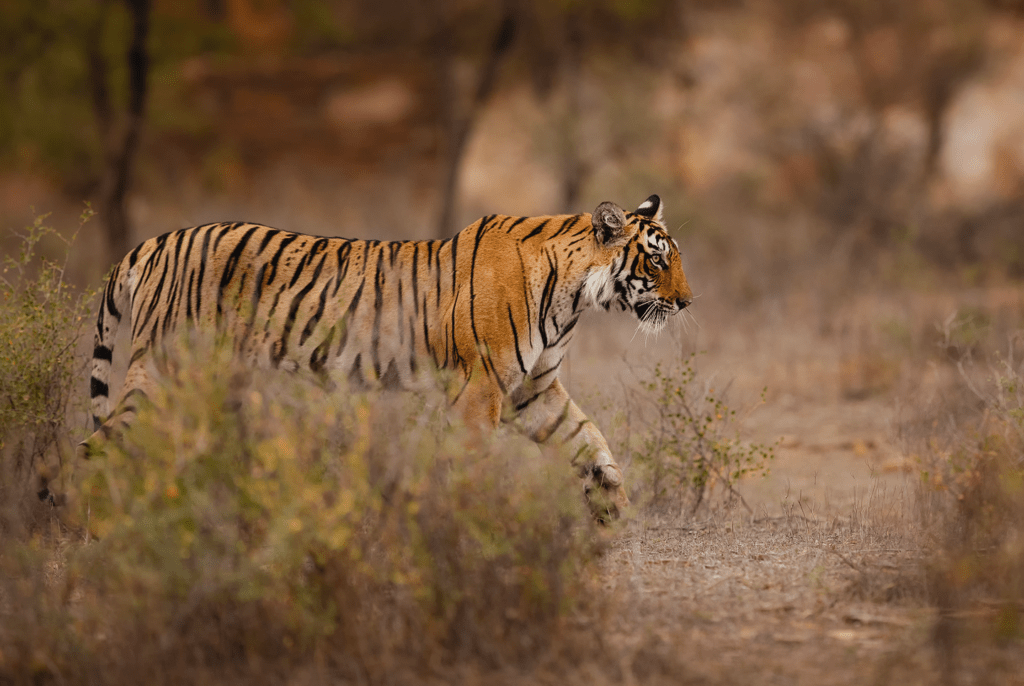
As winter arrives in Corbett National Park, the forest begins to transform into a breathtaking canvas of light, shadow, and life. It is a season of golden sunrises, foggy mornings, and exciting wildlife activity. It is a dream for any nature lover or wildlife photographer. And for me? The forest never gets old, no matter how many winters I spend here.
An enchanting expedition
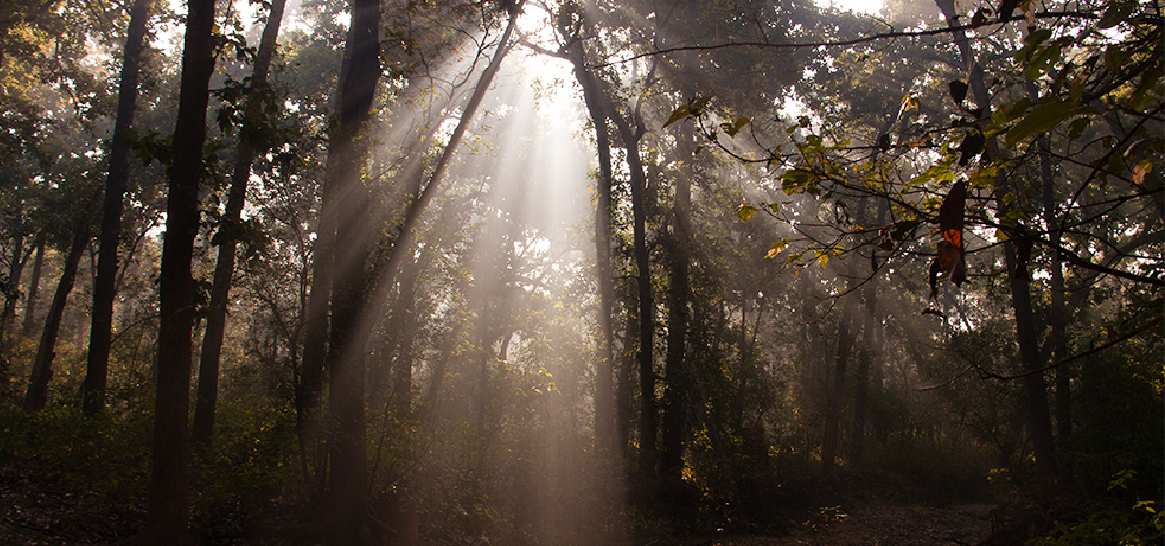
At 4:45 am, I stepped out onto my balcony, and was hit by the chill morning air. The day was still dark, cold, and misty. Still in my night dress, I could feel the bone-chilling cold that woke all my senses. Alert, like the forest usually is, in the morning. Across the boundary of Aahana, I could see the forest still dressed in fog; a thick layer that must have descended sometime in the night – it hung around still. It was mysterious, and quite exciting. Like all winter safaris, I knew it would clear on as the safari went on, with the sun rising. But, there is something promising and exciting about seeing the forest like that, half hidden, full of possibilities and waiting to be explored.
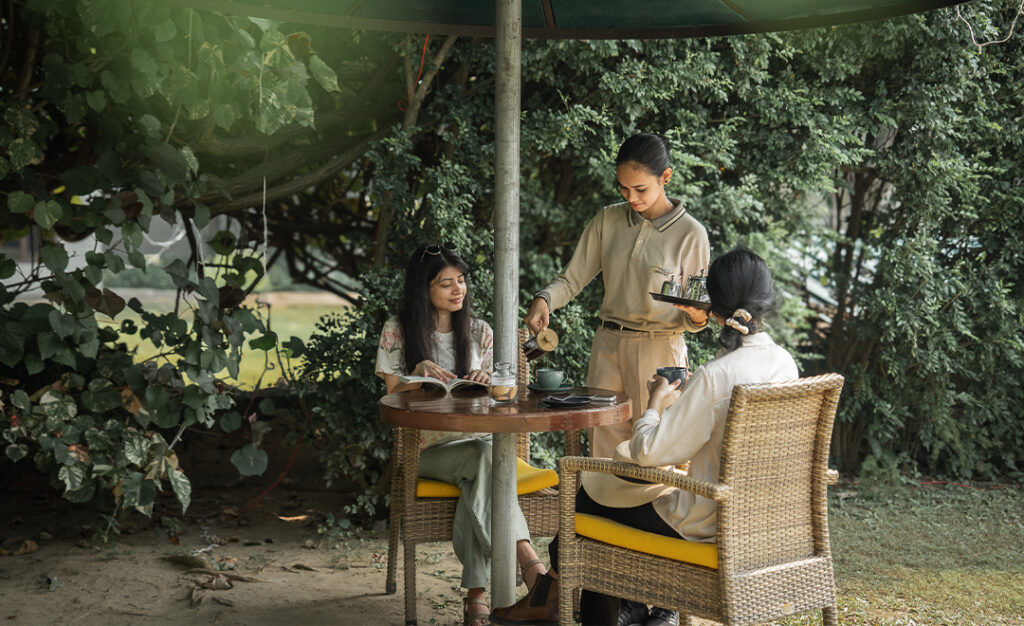
I arrived at the reception at 5:15 am with my camera gear, and a bag packed with an extra jacket– just in case. I don’t dare to challenge the winter cold in an open gypsy without a backup. At the reception, I had warm ginger tea with in-house baked cookies. My jeep was already there, and the team was layering the leather seats with warm woollen blankets, and keeping a few spare ones aside just for me. I had asked the team to also pack a kettle of chai for me, something to keep us all warm once we were inside the park.
There is something poetic about a winter morning in Corbett. It was dawn by the time we reached the safari gate. The orange hues in the sky promising a rising sunset. In the winters the fog is the first to take the colours of the rising sun, shining golden orange, many times the eyes of curious deer peeking through the fog. At first the forest is still and quiet, then tiny movements emerge, the chirping of the birds growing louder, and the wake up calls of jungle fowls signalling the forest coming to life. At the early hours in the mist is when Tigers are most sighted in the morning: patrolling, hunting and roaming. The undisturbed mornings are filled with promising sightings. Predators and prey move freely in that hour, sprawling in the quiet before the day fully wakes up.
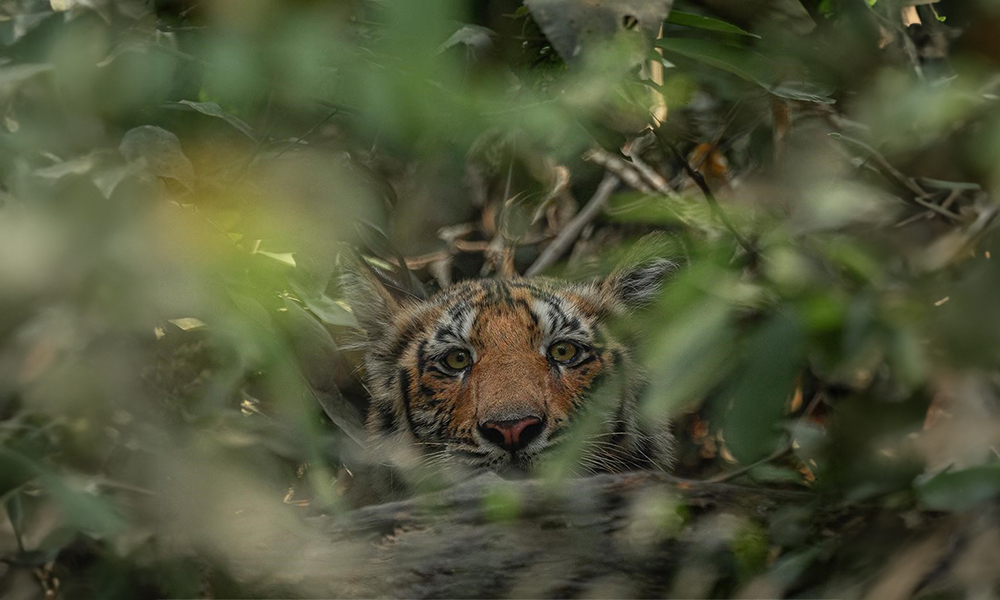
The Art of Wildlife Photography
As the sun climbs, the forest comes alive around you. Birds set out to catch their morning meal, calling to each other, and smaller creatures emerge from hiding. Evening safaris, on the other hand, carry a different yet equally unique charm. The sun is overhead when the safari begins, and in its final hours, it paints the whole forest in fiery hues. Some of the most stunning sunsets are those that I have seen amidst the wild forests of Corbett National Park. The forest never quite looks real, even when you’re standing right in front of it.
Aahana is located centrally from all safari zones, and especially close to both Dhela and Jhirna, which are 15 minutes away. For early beginnings and late endings in the wild proximity to your resort matters more than people realise. Winter safari timings run 6 am to 10am in the morning, and 1 pm to 5 pm in the evening, and that proximity means I’m inside the park before the light has properly arrived, catching that first hour that only few get to see.
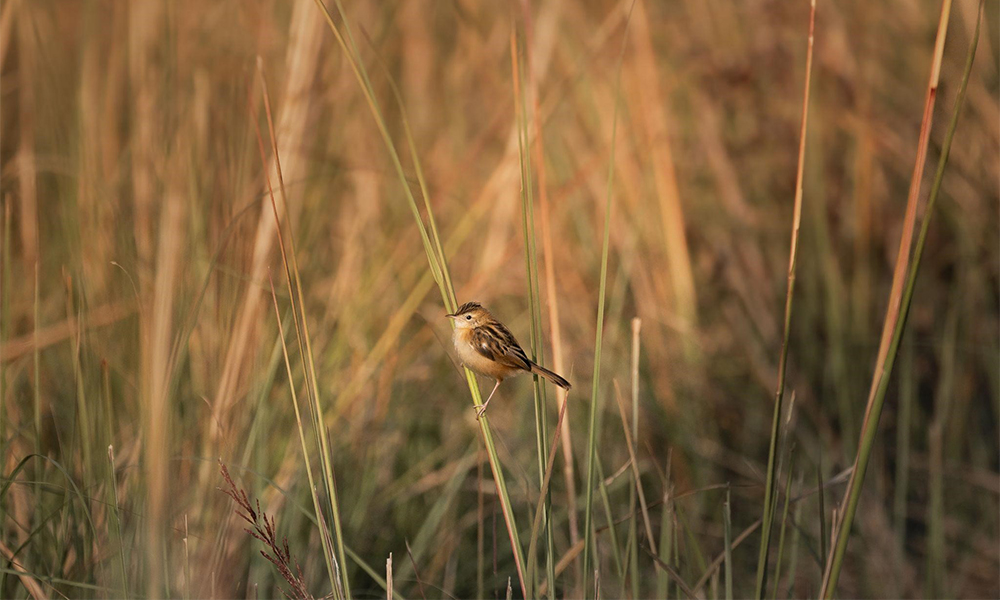
Details make a difference
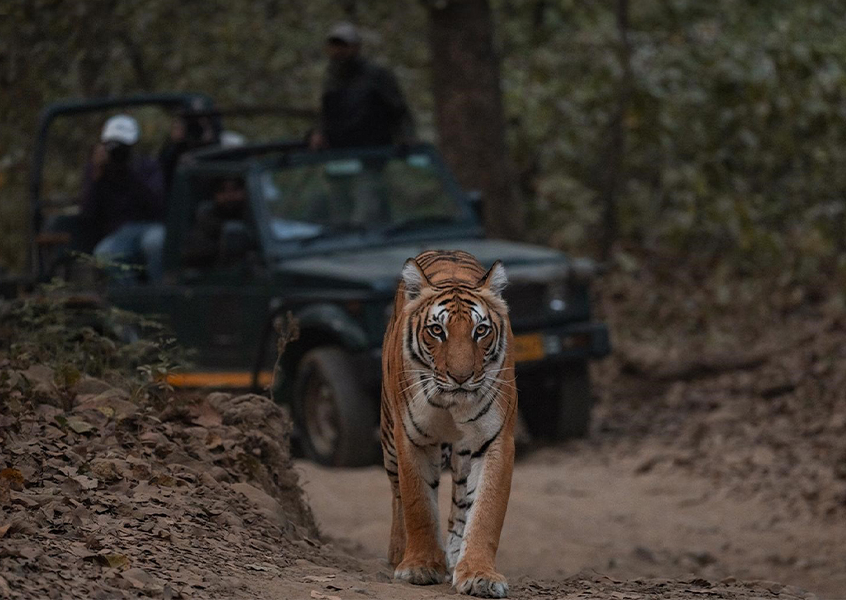
Wildlife photography gets as personal to each photographer as their own interests go. I don’t particularly have a niche when it comes to wildlife photography, and in general even when it comes to capturing the world. I’ll photograph anything: a tiger approaching the jeep, a foggy landscape with nothing in it at all, a bird mid-catch with an insect still in the air. I love everything about the raw, wild, unscripted nature of it. And for me, every small detail matters, even the ones nobody else would notice. I believe that the world is full of beauty, and those that are willing, with their heart and minds open to it, see it more often than others.
In the forest, I’ve experimented with a lot of different camera settings over the years, trying to find what actually works for how I shoot. My settings vary on the mood, the time of day, the amount of sunlight, and sometimes it totally depends on my whim.
Sometimes, I use automatic ISO and let the camera handle it entirely, so I can focus on the aperture and shutter speed. I adjust for whether a moment needs to be frozen in time, or showcase the movement of the forest. Early mornings the light is still thin, they will require your camera to handle low light with grace, so keep that ISO high and aperture as wide as possible. Play with the shutter speed too, and use a bean bag to keep your camera steady so you can get sharp photos with as much detail as possible.
A lesson I learned early on was, “grainy over blurry, always.” A slightly grainy photo can be fixed in post-processing but the details lost to movement or lack of focus can’t be. So, your slightly grainy photo taken in poor light still tells the story, where a blurry one tells you nothing. I’d rather push my ISO and accept some grain than lose the shot entirely. However, as the sun climbs, the rules relax a little. Once there is more light for you to work with, the technical limitations are less and photography starts being about capturing something true to your style and your eye.
The thing about wildlife is that the forest is always full of surprises, and any moment can become the most iconic moment of your adventure, so you always want to be prepared. So, I try to stay ready at all times, never putting away my camera far enough, even when I am waiting under the shade of a tree sipping my chai.
Unforgettable moments in the wild
Wildlife humbles you in every way possible. Whether you’re photographing it or not. Witnessing nature in this pure, unscripted manner has a rare kind of charm. When you start noticing you realize nature is fleeting, frighteningly real, tender, and sometimes even sad. And even when the moments are fleeting, you will be surprised how they simply remain with you long after you have left the forest. Wildlife is a form of life that remains simple and raw.
One afternoon, I was trying to film a mother and her cub, but the angle was so high and awkward that I ended up asking my cousin to lend me his shoulder as a makeshift tripod. I zoomed in through the bushes from a height neither of us could hold steady on our own. I made a video instead of taking a photo, because the moment was too tender to risk missing with a single frame. The cub, an only one, was restless and full of energy. He simply couldn’t understand why his mother was choosing to nap instead of playing with him. Mothers in the forest have a lot of responsibility on them: feeding and nurturing the young ones, keeping them safe, and hiding them from predators. The little guy didn’t know that. He kept jumping on his mother, nudging her, trying to get her to groom him or chase him. When nothing worked, he moved on to the shrubs above them, rolling onto his back and pawing at the leaves like an actual baby discovering something for the first time. It was such a heart warming moment. So beautiful, and innocent. He doesn’t know it yet, that one day, he would become the fiercest predator in the jungle, reigning terror on all below him in the foodchain; for now he is simply a curious little baby learning the world around him.
Sometimes it’s tiger cubs and sometimes animals that may feel much more insignificant. On the same afternoon safari I saw a little jungle fowl chick following its mother across the forest floor, learning to peck at insects with the same precision as the mother. Missing more often than it caught, trying again and again. An equally cute moment, the forest doesn’t reserve a front row to only one animal. Sometimes it’s a tiger’s cub and sometimes it’s a chick learning to peck.
An invitation to reconnect
Corbett in winter isn’t something you simply visit. It’s an experience, a memory that’s still being made while you’re standing inside it. Whether you’re a photographer or a nature lover, whether you’ve got a camera in hand or just your own eyes, the forest asks nothing of you. However, if you notice, it gives back so much more.
I’ve come to believe the forest speaks to you louder if your heart and mind are actually open to it. And appreciation goes a long way out in the wild. So, don’t rush through your safari, notice the shifts in the forest, look closely at the trees, and you will leave with more memories and photographs than you can imagine. The ones who slow down and actually listen, usually come back with something deeper and more meaningful. You might not always be able to describe the feeling, but the feeling will linger long after you leave.
At Aahana, we have built luxury that is made of the forest. Furniture that is repurposed, stories that have been passed down generations, and traditions that are rooted in the place. We listen to the forest, to the trees, to the birds, and the insects. And we build a home that sustains all of it. So while you are here, surrender yourself to the moment and to nature. We don’t ask much of you either. Bring your curiosity, and your sense of wonder. We’ll handle the rest, from the jeep and the blankets to the chai waiting for you at 5:15 am.
FREQUENTLY ASKED QUESTION (FAQ) :
Is winter a good time for wildlife photography in Jim Corbett?
Yes. Winter offers the clearest visibility of the year, with low foliage density, golden morning and evening light, and high animal activity in the mornings or late evenings.
What camera gear is recommended for a Jim Corbett safari?
A telephoto lens (300mm or longer), a camera bean bag for stability in a moving jeep, a microfiber cloth for dust, and spare batteries, as cold mornings drain them faster.
What time of day is best for wildlife photography in Corbett?
Early morning and late afternoon, when the light is warmest and predator activity is highest.
Can I book a jeep safari with Aahana Resort & Spa directly?
Yes. The team at Aahana is happy to assist you with booking your permit, coordinate with jeep operators and help with zone selections. We also do a safari briefing for guests.
Do tigers appear regularly during winter safaris?
Sightings are never guaranteed, but winter’s clearer sightlines and increased animal movement near open areas make winter one of the higher-probability seasons for tiger sightings.