Uttarakhand has long held its place as one of India’s most promising tourism destinations. Known for its sacred rivers, majestic mountains, and protected forests, the region is now undergoing a quiet evolution. No longer seen as just a pilgrimage stop or a summer escape, Uttarakhand is being reimagined by travelers, conservationists, and conscious hoteliers alike–as a place of immersive, meaningful travel.
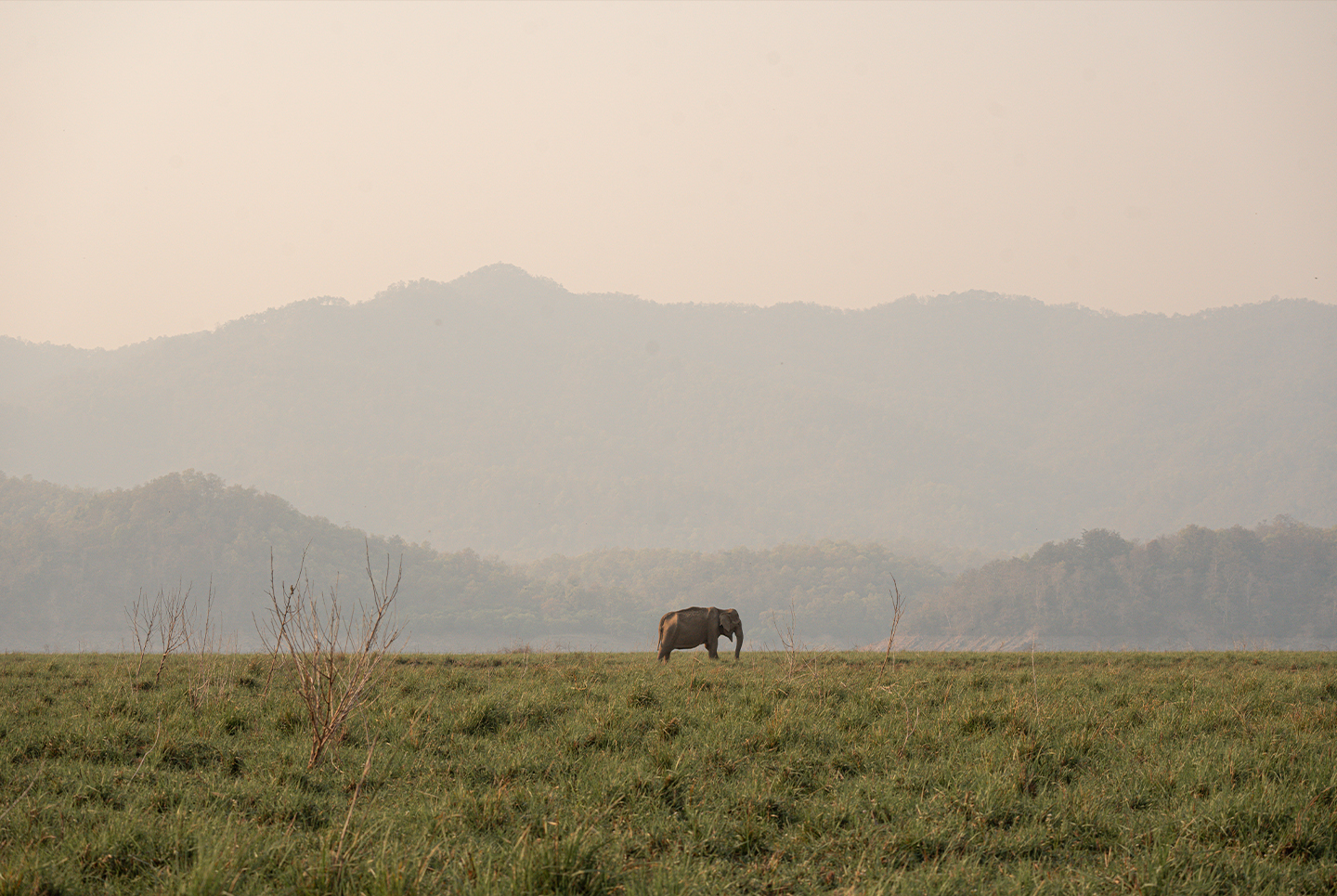
A growing number of visitors are coming not just to see, but to connect. And this shift is nowhere more evident than in Jim Corbett, where the monsoon, once thought of as the slow season, is now being embraced as one of the most beautiful and soulful times to experience the forest. With most safari zones now staying open even during the rains, thanks to government efforts in infrastructure and safety, travelers are seeing Corbett in a whole new light in the last couple years. Misty mornings, lush greenery, and the scent of rain-soaked earth have their own magic, and the region is finally ready to welcome people to it, year-round.
But as the land reopens itself to visitors, so do its stories, its traditions, and its way of life. This is where Aahana Resort comes in, not just as a place to stay, but as a window into Uttarakhand’s deeper identity.
Luxury Rooted in the Land
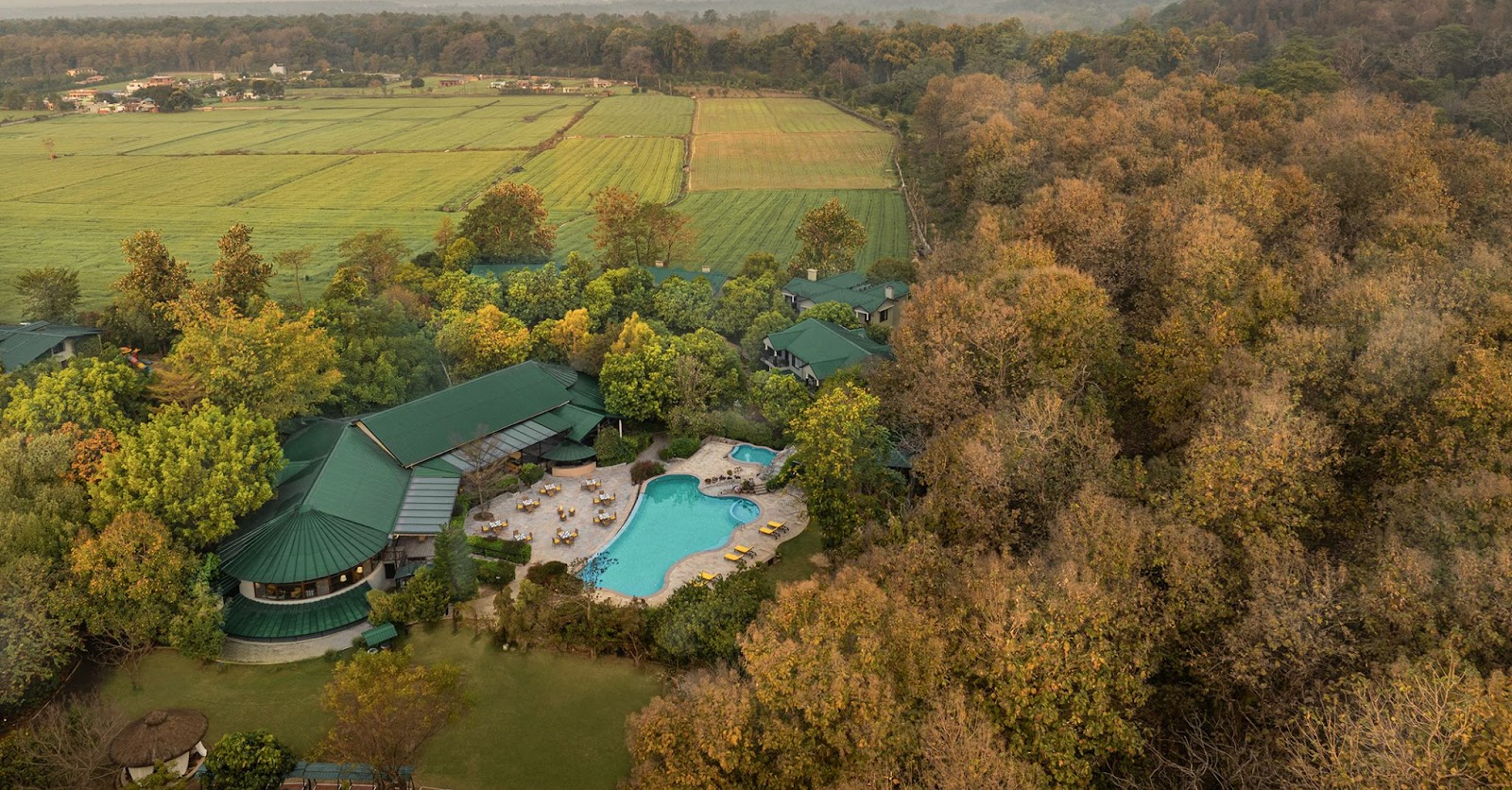
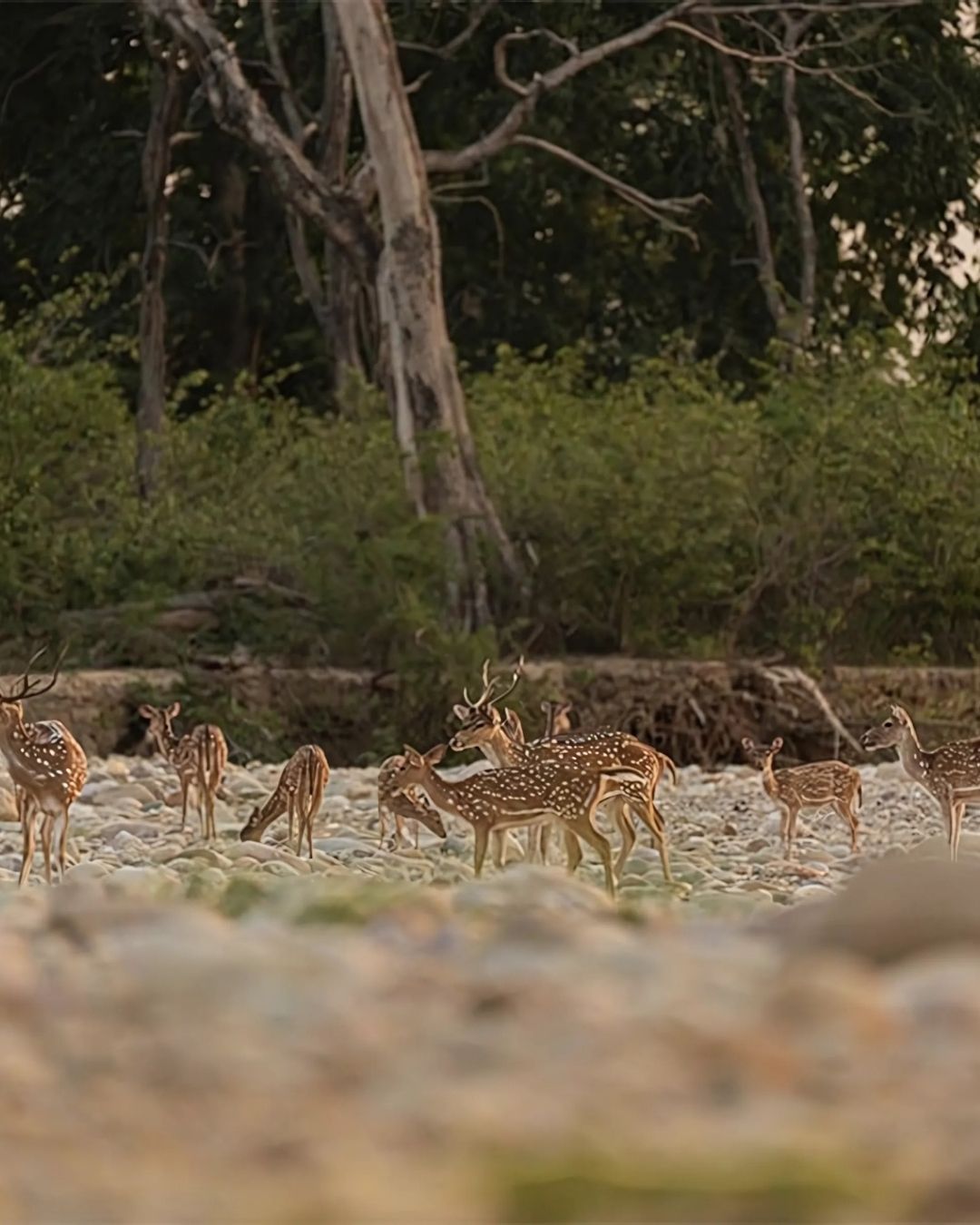
Aahana sits on a restored piece of land that once lay barren. Today, it spans 13.5 acres of native forest, organic farms, and winding trails. It shares a boundary with the Corbett forest itself, making it one of the rare resorts where the wilderness begins at your doorstep. Guests have often heard alarm calls of deer at night, subtle reminders that the forest is alive and close.
The property is fenced for complete safety, but designed to feel open and natural. No high walls, no concrete boundaries, just a thoughtful flow from man-made comfort into wild beauty. In a way, it’s like living in the forest, but with all the luxuries you could dream of.
Where Culture Breathes Gently
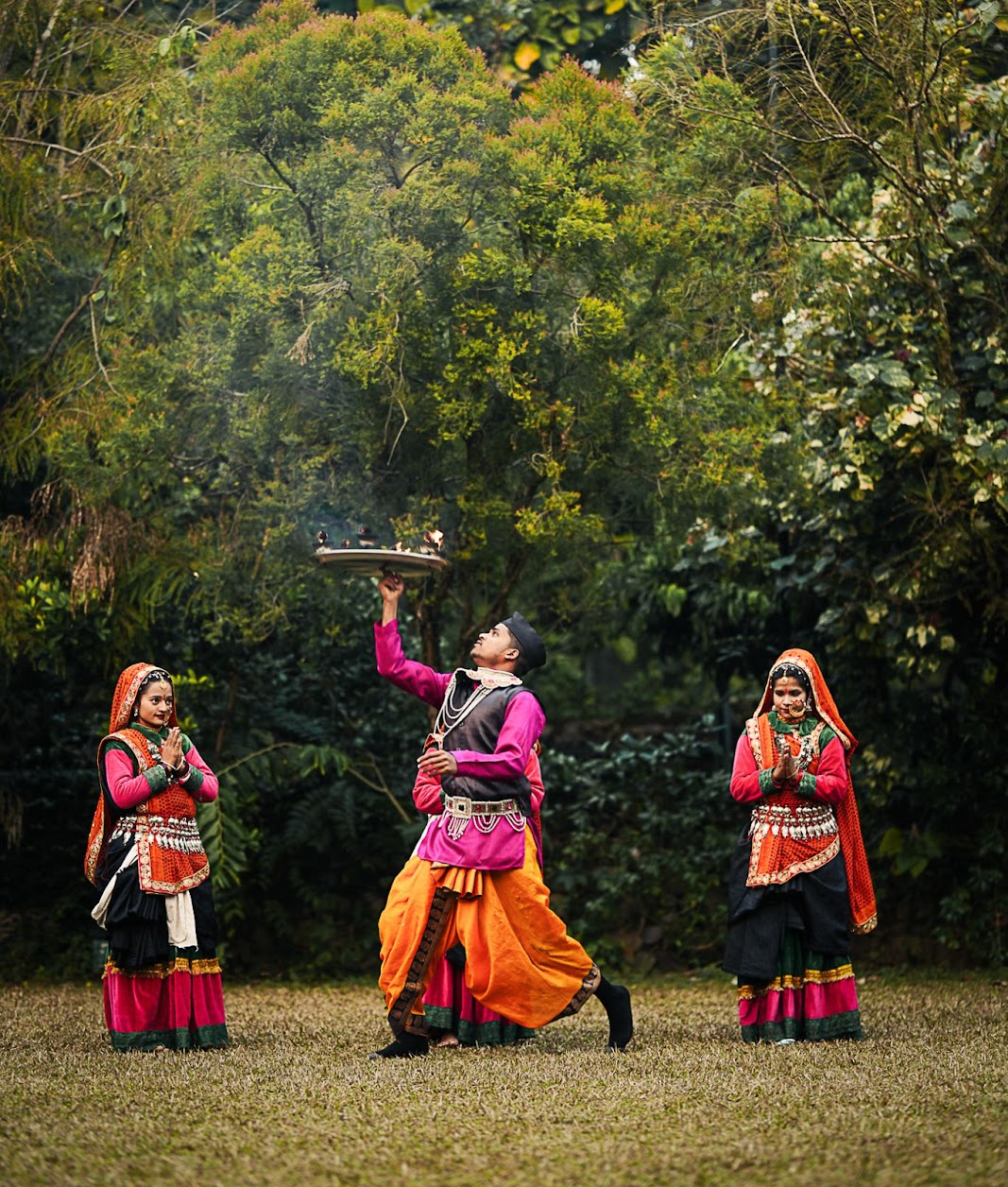
At Aahana, Uttarakhand’s heritage isn’t performed..it’s lived. Guests often find themselves drawn to the Kumaoni thalis made with local grains, or captivated by the quiet dignity of Aipan art, a traditional and auspicious folk art of the region that guests are invited to learn. There are no over-the-top cultural showcases, just honest and thoughtful experiences.
From folk dance evenings under the stars to pottery sessions led by local artisans, whose craft has been passed down over generations, everything is done with intention. It’s not just about “local flavor,” but about connecting with a way of life that has existed in harmony with nature for centuries.
A Child’s Forest, A Family’s Retreat
Aahana has quietly become a favorite for families. And it’s not just because of the villas or the temperature-controlled pools. It’s because the experiences here are designed to foster connection to the land, to learning, and to each other.
Children take part in organic farming sessions, learn how herbs grow, and ask questions about the trees that line the property, most of which are indigenous species. They plant seeds, get their hands dirty, and begin to see nature not as a backdrop, but as a living classroom.
Nature walks at Aahana are not always about spotting the most exotic bird, though there are many to see. Sometimes, it’s about learning the name of a tree. Or understanding why a certain leaf heals a cut. These small lessons, quietly absorbed, stay with guests long after they’ve left.
Villas of the Wild and Villas of Solitude
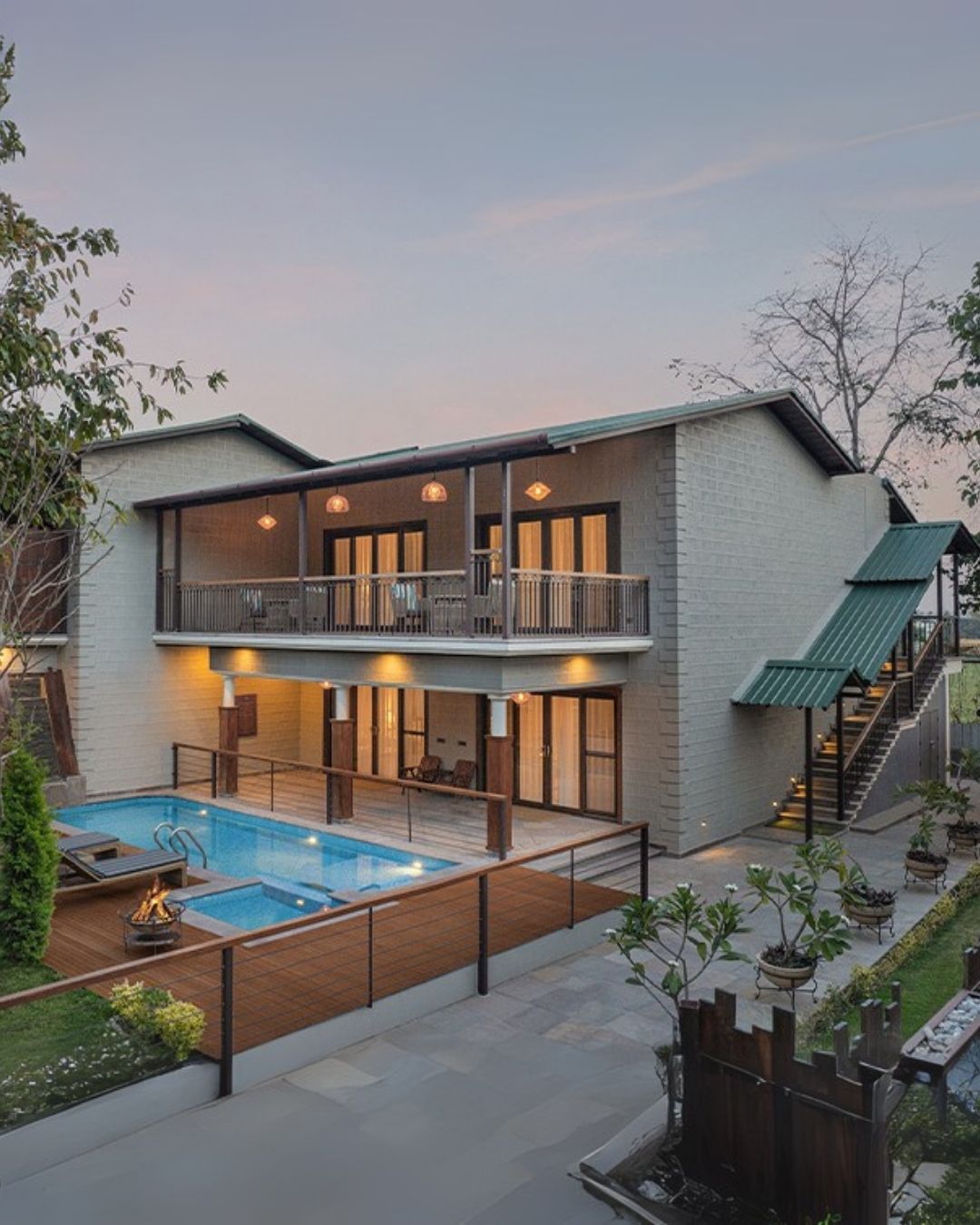
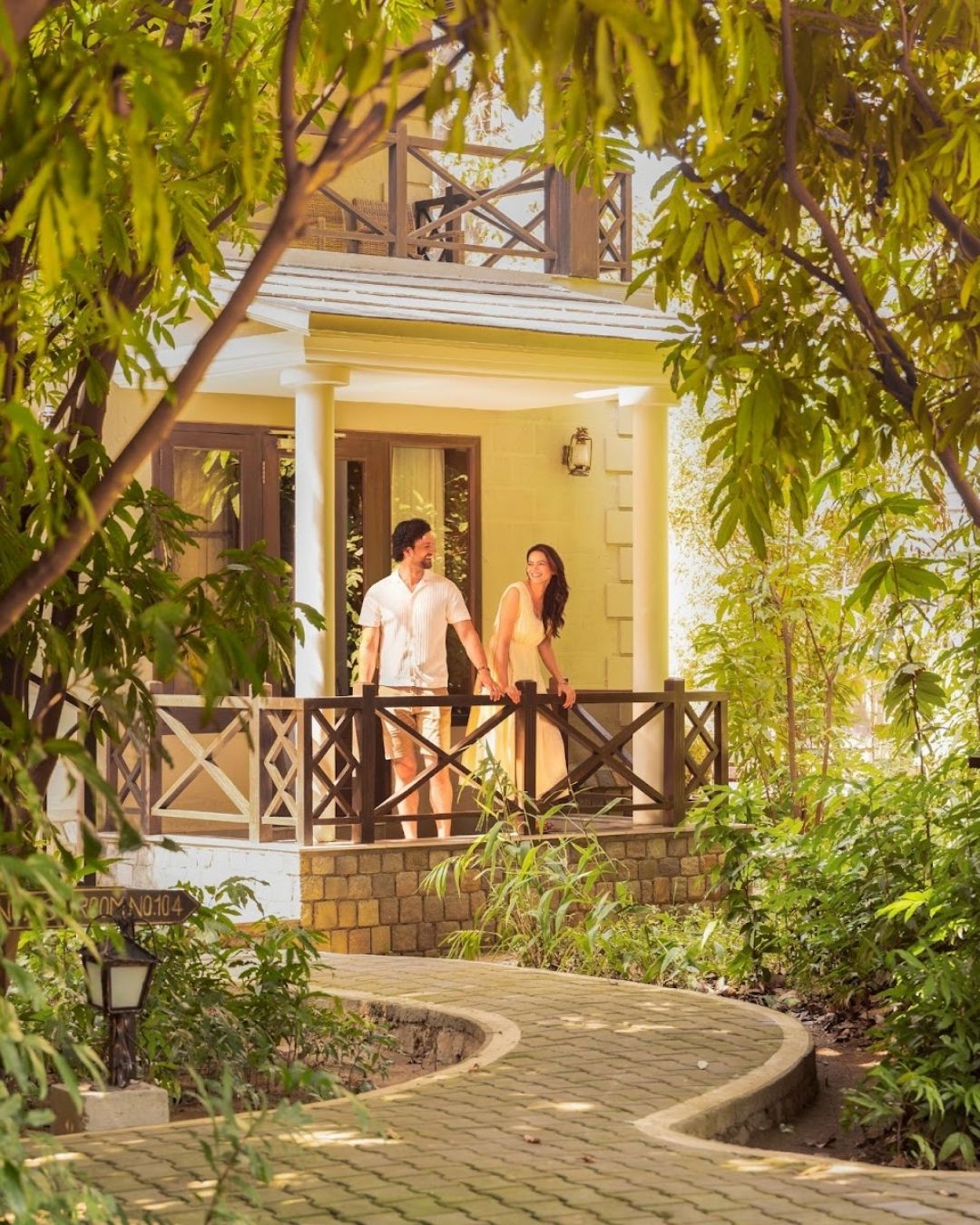
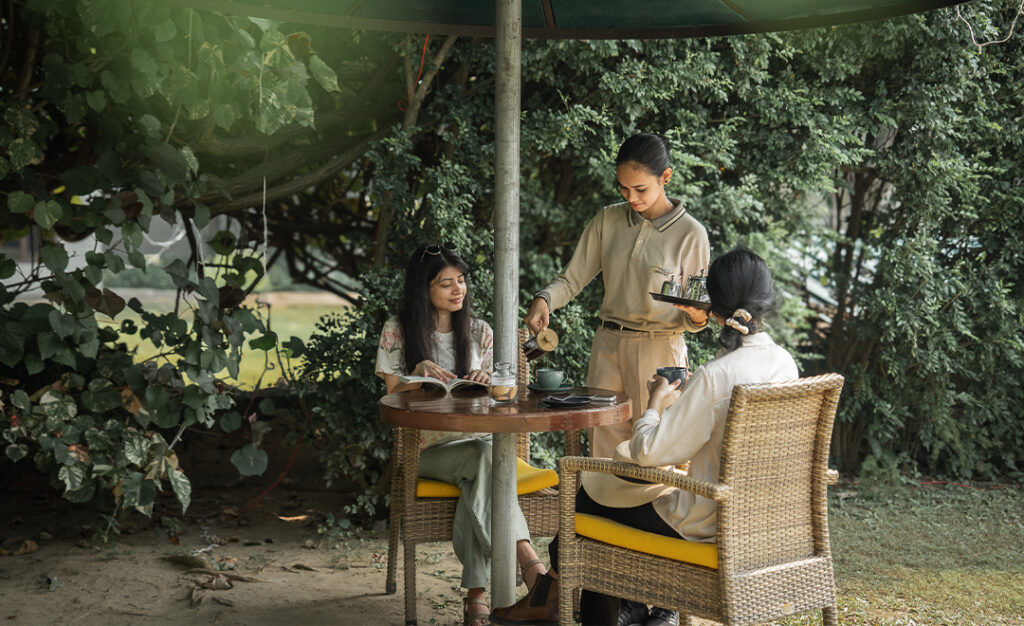
Aahana offers different kinds of luxury, suited to different kinds of travelers. Forest villas face the wild, allowing you to wake up to the sounds and scents of the forest. Pool villas, on the other hand, offer privacy, exclusivity, and indulgence, ideal for families or groups seeking a more secluded experience. Many of these come with attached nanny rooms and the personalized service of heritage hosts, Aahana’s own take on the modern butler.
In both, the idea is the same: a stay that reflects your pace, your rhythm, your need for either stillness or celebration.
Sustainability as a Way of Life
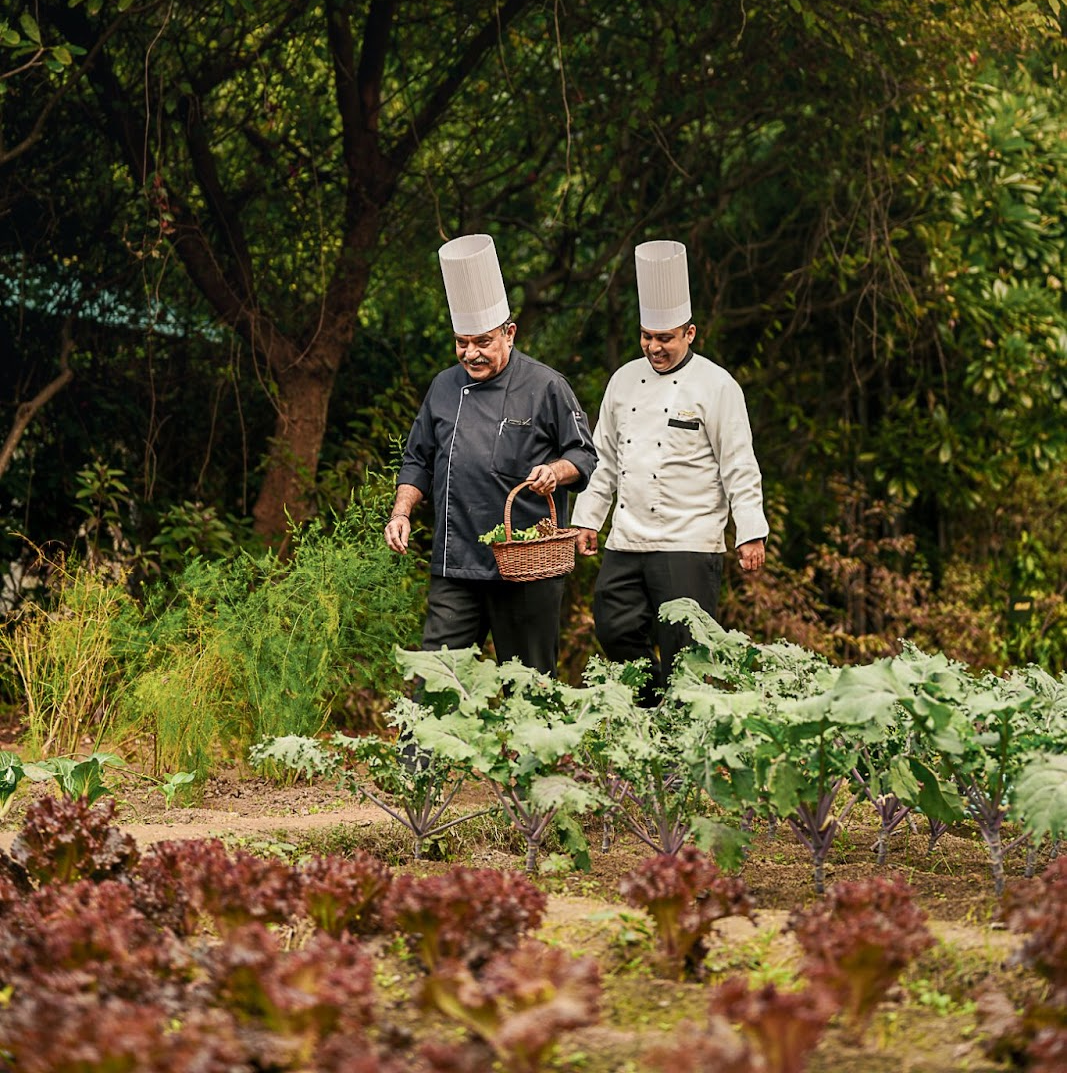
Aahana doesn’t just talk about sustainability, it lives it. The resort uses recycled water, grows its own food, and employs locals not just for jobs, but for the wisdom and traditions they carry. From the naturalist who guides your walk to the therapist in the spa who draws from ancient healing practices, there is deep local knowledge woven into every experience.
Even for guests not actively seeking a “wellness retreat,” the lifestyle at Aahana encourages one. Waking up to silence instead of sirens, eating food from the earth around you, moving gently through the day; it all nourishes the mind, body, and soul in quiet but lasting ways.
The New Traveler and the Timeless Land
Travel bloggers, families, honeymooners, and seekers of quiet are all starting to look for something deeper: places that offer both story and substance. Aahana sits at this intersection—where luxury doesn’t fight the environment, but flows from it. Where experiences aren’t curated only for social media, but for memory.
Uttarakhand, too, is in the midst of this rediscovery. With Corbett as its gateway, and with places like Aahana leading by example, the state is opening its arms not just to tourists, but to thoughtful travelers.
Aahana isn’t just a stay. It’s a return. To roots, to quiet, to meaning. And perhaps, to a version of Uttarakhand, and of yourself, you hadn’t met before.