Jim Corbett feels different in every season, which is why timing your visit matters. Winter brings cold, misty mornings and quiet forest drives. Summer makes the landscape drier and sharper, often improving wildlife sightings around key water sources. Monsoon turns the forest dense and green, with selected safari zones remaining open while river-based routes close for safety.
The best time to visit Jim Corbett depends on what you want from the forest. February works beautifully for comfortable weather, misty mornings and rewarding wildlife movement. May to July are better suited to travellers focused on tiger sightings, as the heat often draws animals closer to water sources. Mid-July to September brings out the most vibrant greens in the forest, with select zones like Jhirna, Dhela (15 minutes from Aahana Resort) that remain open throughout the year. October to December marks the return of peak season, when remaining zones reopen after the rains and travel demand begins to rise.
Jim Corbett National Park carries an old-world charm through its British-era forest rest houses, secluded trails, sal-dominated stretches and quiet safari routes. Beyond the sighting itself, the experience lies in the forest’s details: the mist of a winter morning, the dry scent of sal trees in summer, alarm calls in the distance, and the gradual shift of light as the safari moves deeper into the reserve.
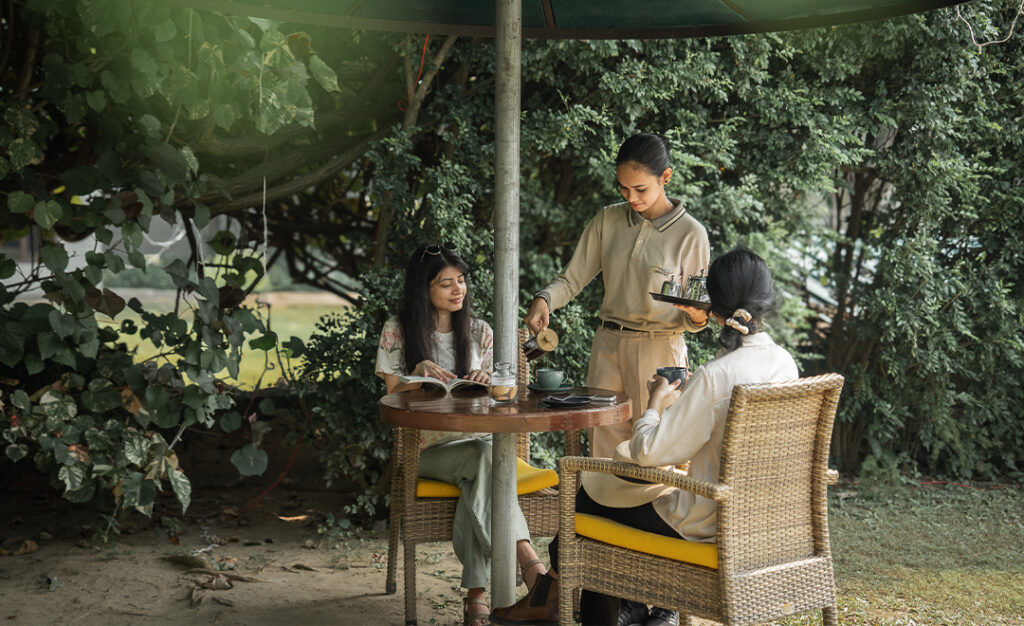
At Aahana Resort & Spa, this experience continues beyond the safari gate. Along the forest of the Bijrani Zone of Jim Corbett National Park, Aahana Resort & Spa sits within 13.5 acres of restored green landscape, home to thousands of trees and rich birdlife. The stay keeps guests close to the forest’s pace through safari planning, naturalist-led walks, farm-to-table dining, Spa L’Occitane en Provence in corbett and quiet time within the estate.
Understanding Jim Corbett’s SeasonS
Winter: November to February
Winter is one of the most preferred seasons to visit Jim Corbett. The weather is cool, mornings are misty, and the forest feels still and atmospheric. January and February are cold months, with February often considered especially rewarding.
Tigers are crepuscular, which means they are most active around dawn and dusk. This makes early morning and late afternoon safaris important during winter.
This season works well for first-time visitors, families and travellers who want comfortable weather with a strong forest experience.
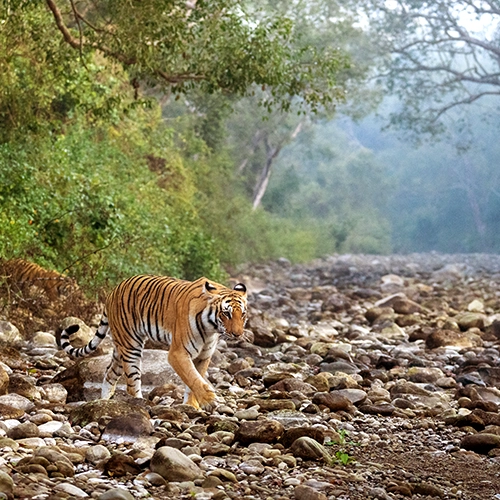
Summer: March to June
Summer begins mildly in March and April before becoming intense in May and June. Temperatures can rise close to 40 degrees Celsius, but this is also one of the strongest seasons to visit Jim Corbett National Park for wildlife sightings.
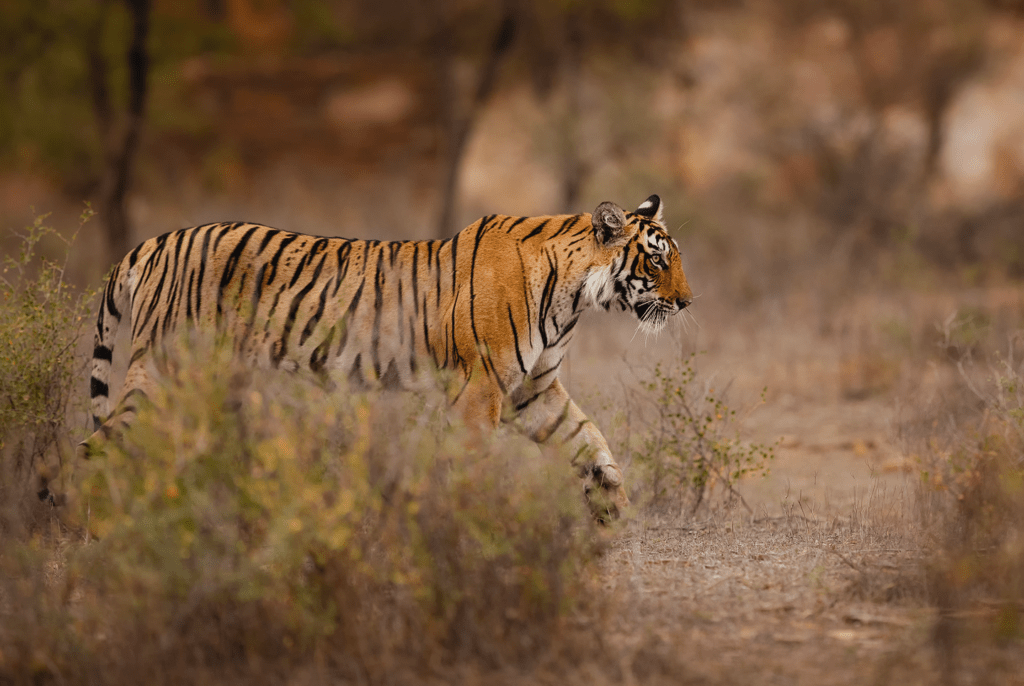
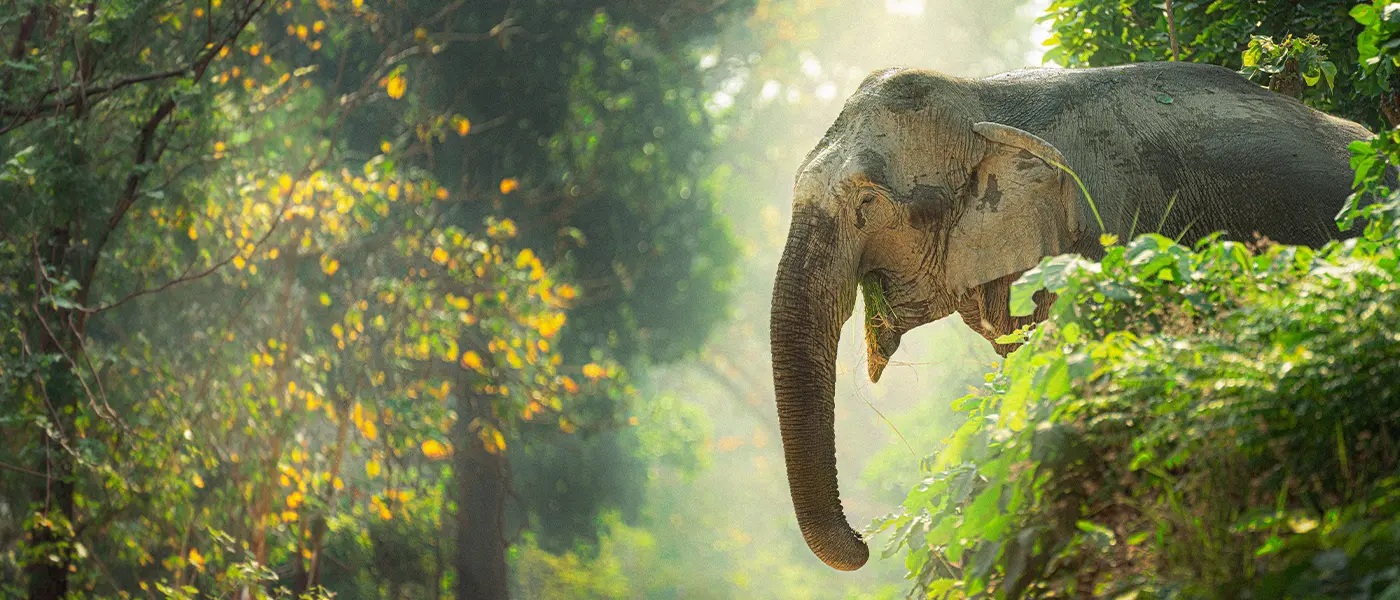
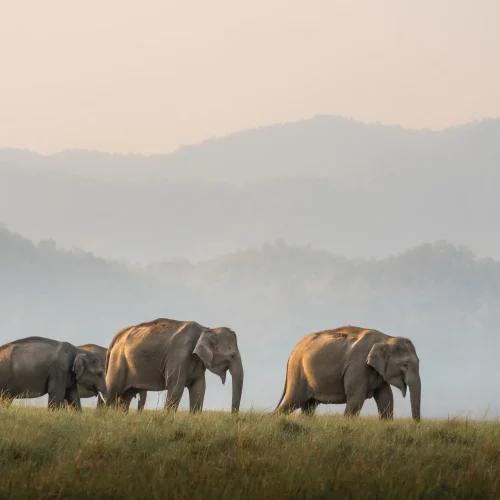
As water becomes limited across the forest, animals move closer to reliable water sources. Tigers, deer, elephants, and other wildlife are often seen around these areas. Sal trees also create cooler forest pockets, with the temperature under them often several degrees lower than other parts of the forest.
For guests asking when to visit Jim Corbett for wildlife, May and early June are among the strongest months.
Monsoon: Mid-June to October
The monsoon transforms Jim Corbett into a dense, green forest. Some safari zones close during this period because river currents and rain can affect roads and make certain routes unsafe.
Dhikala, Durgadevi, Bijrani and Garjiya usually remain closed during monsoon and reopen around October or November, as per official forest schedules. Zones such as Jhirna, Dhela and Phato are generally accessible, though access remains subject to weather, road conditions and permissions.
Month-by-Month Guide to Visiting Jim Corbett
January
January is one of the coldest months in Jim Corbett. Early morning safaris can be extremely chilly, with mist covering parts of the forest during the first hours of the day. Sightings require patience, but the atmosphere is beautiful for photography, birdwatching and slow forest drives. Thousands of migratory birds come to the region from Siberia, Central Asia, and the Himalayan region, joining the park’s hundreds of resident species; birds like the Himalayan Griffon, Osprey, Northern Pintail, Steppe Eagle, and the Peregrine Falcon are found soaring above the forests.
Best for: Winter safaris, birdwatching, photography
Travel note: Heavy woollens are essential for morning safaris.
February
February is among the best months to visit Jim Corbett. The mornings remain cold and misty, while afternoons are more comfortable. Wildlife movement can be rewarding, especially in the early hours when the forest is active. Afternoon safaris can also work well towards the end of the drive, when the forest begins to cool again. February is also prime time for birders. One can spot hundreds of resident and migratory species, like the crested serpent eagles, or all three types of hornbills.
Best for: First-time visitors, tiger tracking, balanced weather
Travel note: Plan one morning and one afternoon safari.
March
March brings pleasant weather and clearer forest conditions. The cold starts receding, visibility improves, and the forest begins moving towards summer. This is a comfortable month for families, couples and guests who want to enjoy both safari and resort time.
At Aahana Resort & Spa, March pairs well with naturalist-led walks, garden-led meals, outdoor time and wellness rituals at Spa L’Occitane en Provence.
Best for: Families, couples, comfortable safaris
Travel note: Carry layers for mornings and breathable clothing for the day.
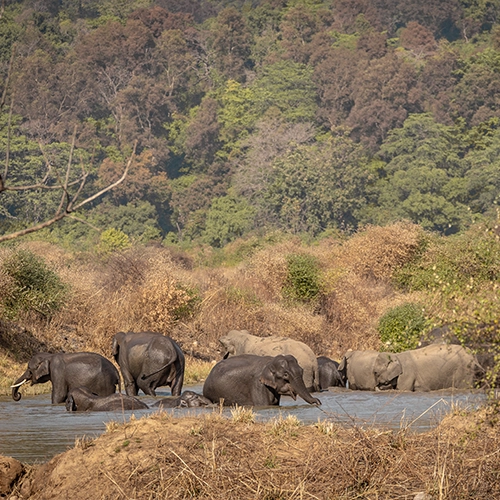
April
April is warmer, drier and more active from a wildlife perspective. Animal movement begins shifting more clearly towards shade and water. The sal forest becomes especially important, creating cooler resting zones during the hotter hours.
April works well for travellers who want stronger wildlife opportunities without the full intensity of peak summer.
Best for: Wildlife enthusiasts, photographers, repeat visitors, and families.
Travel note: Prioritise morning safaris and keep afternoons relaxed.
May
May is hot, dry and intense, but it is one of the strongest months for tiger sightings in Jim Corbett. As temperatures rise, dependable water sources become important, and animals are more likely to gather around them. The forest is also drier, which can improve visibility across certain stretches.
For travellers comparing Jim Corbett in winter vs summer, May shows the clear difference. Winter is more comfortable. Summer is more demanding, but often more rewarding for wildlife.
Best for: Tiger sightings, wildlife photography, serious safari travellers
Travel note: Hydration, sun protection and breathable clothing are important.
June
June is a transition month in Jim Corbett, moving from peak summer safari conditions to the first signs of the monsoon. The first half of the month can still be rewarding for wildlife sightings, as animals continue to gather around water sources. By mid to late June, safari access begins to change as several zones prepare for monsoon closure.
Early June is better for core safari experiences, especially for travellers focused on tiger sightings and summer wildlife movement. Late June starts to feel more monsoon-led, with changing forest conditions and zone access becoming an important part of planning.
Best for: Tiger sightings, pre-monsoon safaris
Travel note: Confirm zone access before booking.
July to September
The monsoon months bring a quieter, greener version of Jim Corbett. The forest becomes dense and deeply scenic, and safaris can be limited. Sightings can be unpredictable because water is available across the landscape, so animals do not need to gather around fixed water sources. Dhela and Jhirna safari zones are mostly accessible during this period, subject to conditions. These months are better suited for travellers who want a restful stay, birdwatching, wellness and a closer view of the forest in its rain-washed form.
At Aahana Resort & Spa, the monsoon highlights the resort’s restored landscape. The trees, gardens and birdlife become part of the experience, supported by slow meals, spa therapies and quiet time close to nature. Guests come for longer stays, and relaxed wellness experiences.
Best for: Monsoon stays, wellness, birdwatching, quiet travel
Travel note: Keep safari plans flexible and confirm access closer to travel.
October
October marks the beginning of the peak season for Jim Corbett. The rains begin to withdraw, the forest remains green, and safari zones start reopening in phases. Bijrani generally reopens around mid-October, while other zones follow as per official schedules.
Wildlife sightings may require patience because the forest is still dense, but the landscape is fresh, green and full of post-monsoon character.
Best for: Post-monsoon forest, families, photographers
Travel note: Book rooms and safaris early, especially around long weekends.
November
November is one of the best months to visit Jim Corbett National Park. The weather is pleasant, safari access improves.
This is a strong month for first-time visitors who want comfortable weather, better access and a complete Corbett experience. Mornings are cool, afternoons are easy, and evenings are ideal for outdoor dining or unwinding after safari.
Best for: First-time visitors, families, complete safari access
Travel note: November is in high demand, so advance planning is recommended.
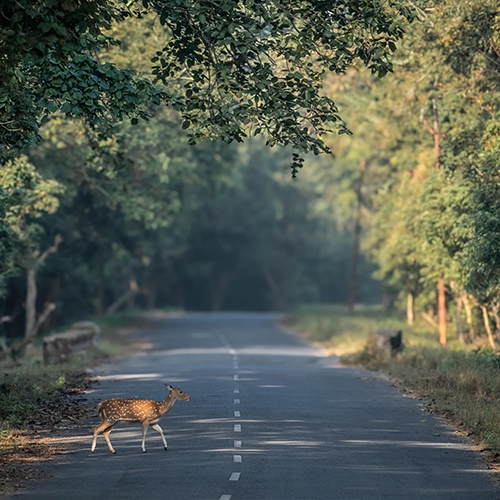
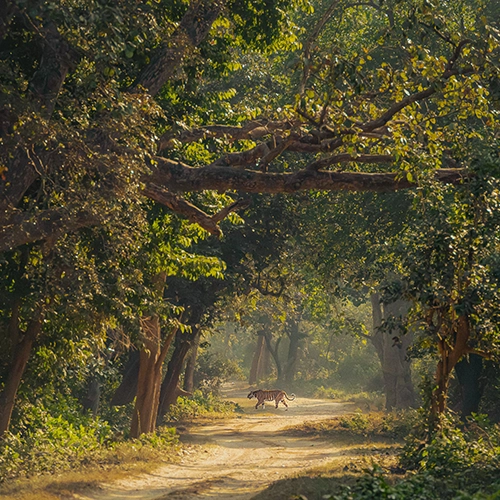
December
December is a popular winter travel month in Jim Corbett. The weather turns cold, morning safaris become misty, and the region sees strong holiday demand. Sightings are good, though winter safaris require patience.
For guests who want the safari experience along with a comfortable resort stay, December works well. Warm meals, private dining, spa therapies and evenings close to the forest become important parts of the trip.
Best for: Holiday travel, winter safaris, couples, families
Travel note: Book early for Christmas and New Year travel.
Jim Corbett in Winter vs Summer
Winter and summer offer two very different versions of Jim Corbett.
Winter is more comfortable since you can layer well. The weather is cool, the forest is beautiful, and the experience is well-suited to first-time visitors, families and couples. November to February is also a good time for birdwatching, photography and relaxed resort stays.
Summer is more intense, but often stronger for wildlife sightings. In May and early June, the heat draws animals closer to water sources, improving the chances of seeing tigers and other wildlife.
For comfort, choose winter.
For tiger sightings, choose summer.
For a balanced experience, choose February, March, April or November.
Morning or Evening Safari: Which Is Better?
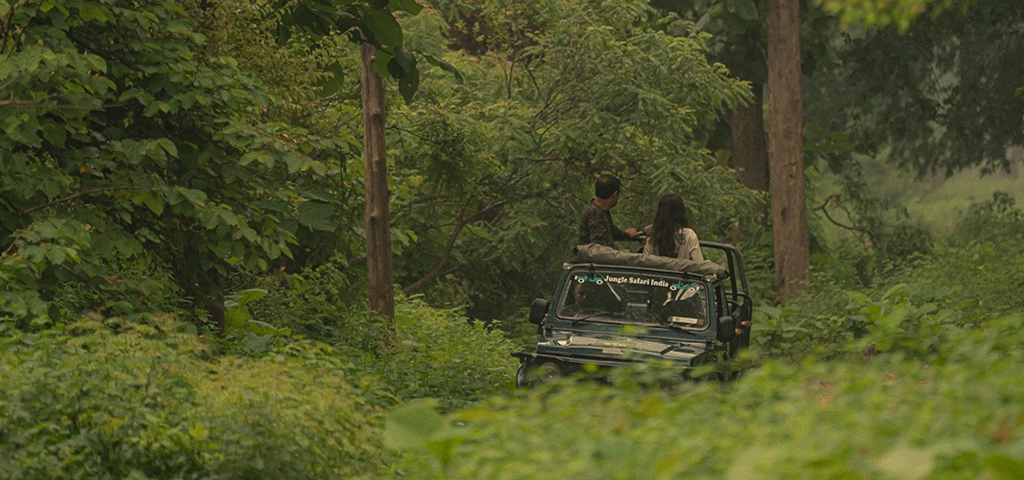
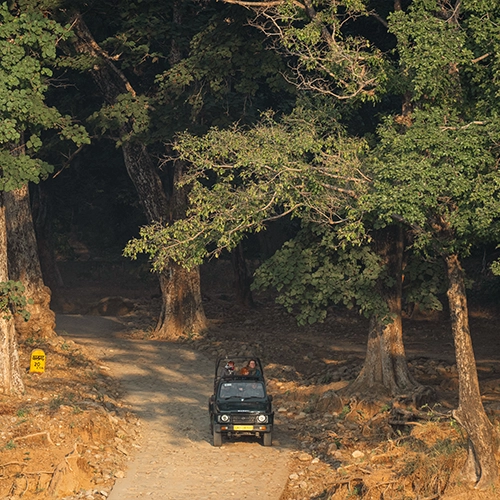
Morning safaris are often preferred because the forest is cool and active at dawn. Tigers and other animals may still be moving after the night, and the early light makes the experience memorable.
Evening safaris are also rewarding, especially towards the later part of the drive. Tigers are crepuscular and often move around dusk. Ideally, travellers should plan both a morning and an afternoon safari to experience different forest rhythms.
Where to Stay in Jim Corbett
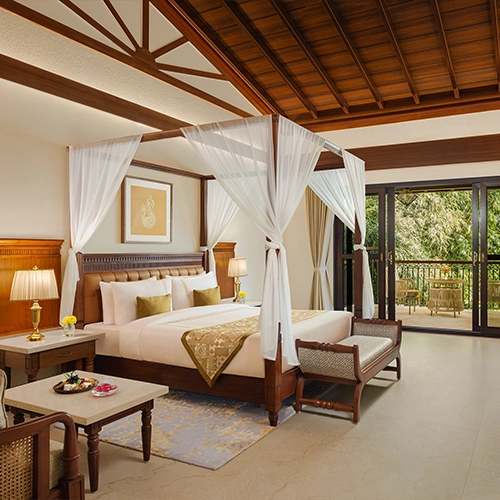
Choosing where to stay shapes the Corbett experience. A safari lasts a few hours, but the forest stays with you through the day when the resort is built around its landscape. Aahana Resort & Spa sits close to Jim Corbett National Park and has been shaped as an extension of the forest it belongs to. The estate spans 13.5 acres of restored green landscape, with thousands of trees, rich birdlife and a setting that keeps guests close to nature without giving up comfort.
The experience is rooted in the region. The organic kitchen garden supplies the restaurant directly. Kumaoni flavours appear through thoughtfully prepared meals. Naturalists help guests understand the forest beyond the obvious. Spa L’Occitane en Provence brings wellness into the same landscape, with treatment rooms, local materials and quiet views that allow the forest to remain present. For guests planning safaris across Jhirna, Dhela, Bijrani, Garjiya or other zones, Aahana Resort & Spa offers convenient access along with a stay that feels personal, considered and connected to the land.
Frequently Asked Questions
Which is the best season to visit Jim Corbett National Park for wildlife sightings?
Summer, especially May and early June, is considered one of the best seasons for wildlife sightings in Jim Corbett. As temperatures rise, animals often move closer to water sources, improving the chances of sightings. Tigers are also active around dawn and dusk, making morning and late afternoon safaris important.
When should first-time visitors plan their trip to Jim Corbett?
First-time visitors should plan their trip between November and March. The weather is comfortable, safari access is strong, and the overall experience is easier to enjoy. February is especially recommended because it offers a good balance of winter atmosphere, wildlife activity and pleasant afternoons.
Are morning or evening safaris better for spotting tigers in Jim Corbett?
Both morning and evening safaris can be rewarding. Morning safaris are strong because the forest is active at dawn. Evening safaris can also offer good chances towards the end of the drive, as tigers are crepuscular and often move around dusk.
Which safari zones remain open in Jim Corbett during the monsoon?
During the monsoon, major river-based zones such as Dhikala, Durgadevi, Bijrani and Garjiya usually remain closed for safety. Zones such as Jhirna, Dhela and Phato are generally accessible because they do not depend heavily on river crossings. Safari access always depends on weather, road conditions and official permissions.
How far is Aahana Resort & Spa from Jhirna?
Aahana Resort & Spa is conveniently located for guests planning a Jhirna safari. Jhirna Gate is approximately 15 to 16 kilometres from the resort, depending on the route and road conditions. The drive usually takes around 25 to 35 minutes.